


 Contact Us: (65) 6419 2850


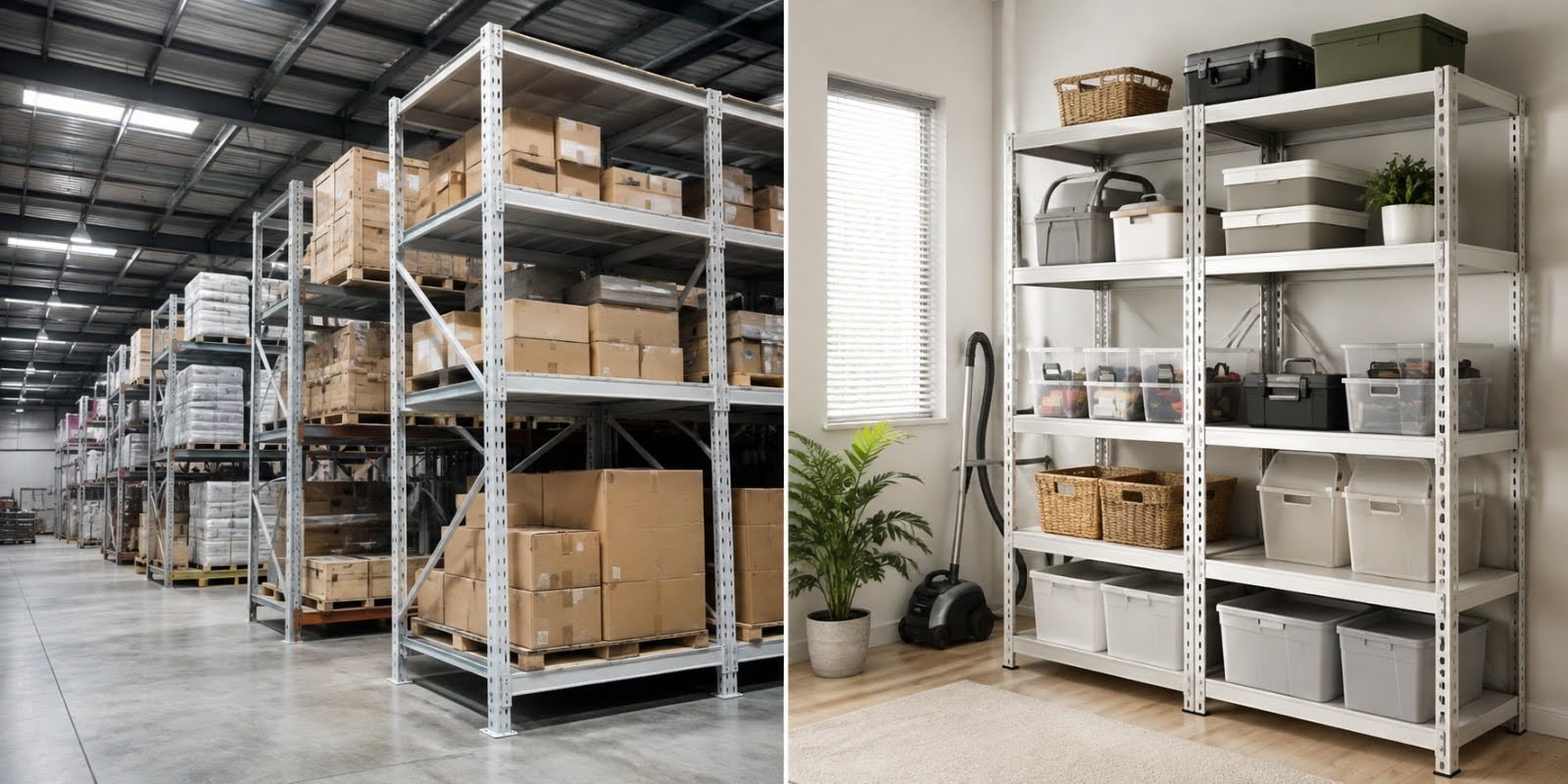
Industrial boltless racking is commonly used in warehouses, stock rooms, workshops and commercial storage areas for cartons, components, tools and other manually handled inventory. Home applications generally involve household items, boxes, supplies and personal belongings that are stored less intensively.
When it comes to a boltless rack in Singapore, users should consider the weight, dimensions and handling requirements of the items being stored. While boltless shelving can be used in both industrial and home environments, the required load capacity, durability, configuration and operating conditions can differ substantially.
The boltless design itself refers primarily to the assembly method. It does not mean that every boltless rack has the same capacity or is appropriate for every application. Industrial users in particular should assess the rack specification rather than assuming that any steel boltless shelving system can support their inventory.
This guide explains the differences between industrial and home boltless racking, with a specific focus on load requirements, storage applications, adjustability, available space, accessibility and safe use.
What Is Boltless Racking?
Boltless racking is a modular shelving system in which the primary frame and shelf-supporting components can generally be assembled without conventional nuts and bolts. Components typically connect through interlocking or slot-based mechanisms.
The design allows shelf levels to be positioned according to the dimensions of the goods being stored, subject to the configuration permitted by the system.
Boltless racks are commonly manufactured using steel structural components and can accommodate different shelf materials depending on the product design.
Their modular nature makes them useful for applications where inventory sizes vary or where shelving arrangements may need to be adjusted over time.
However, “boltless” describes the construction method rather than the duty rating. Load capacity should always be determined from the specification of the particular rack.
What Makes Industrial Boltless Racking Different?
Industrial boltless racking is generally selected for repeated commercial use and for storing business inventory within warehouses, stock rooms, workshops or similar facilities. The storage requirements are often more demanding than those of typical household shelving.
Industrial inventory can include cartons, spare parts, packaged goods, tools, supplies and components. These products may be handled frequently throughout the working day.
This means businesses need to consider not only how much weight a shelf can support but also how the rack fits into everyday operations.
Important requirements can include:
- Defined shelf and bay load capacities;
- Appropriate shelf dimensions for inventory;
- Convenient access for regular picking;
- Adjustable configurations for changing stock; and
- Stability under the intended conditions of use.
An industrial rack should therefore be selected around the actual inventory rather than simply by external dimensions.
Where Is Industrial Boltless Shelving Commonly Used?
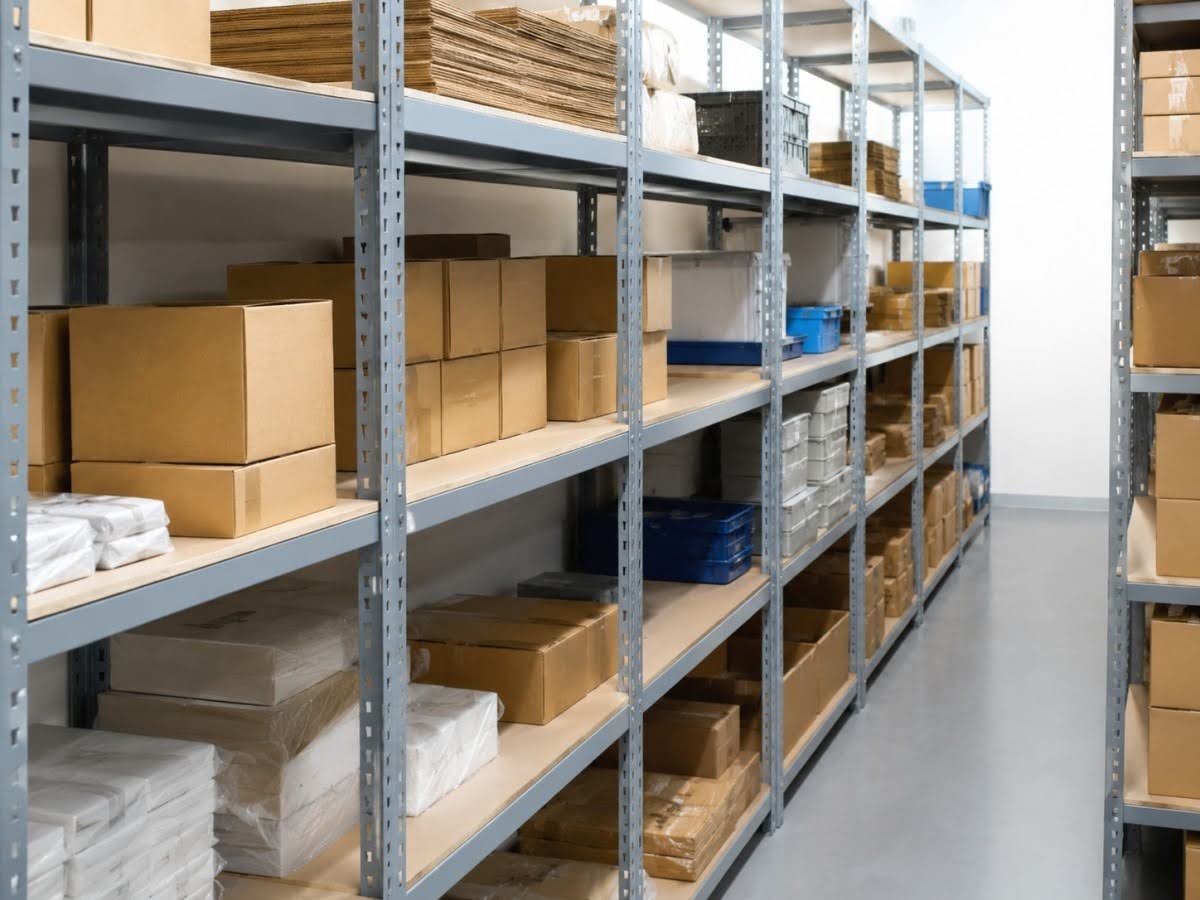
Industrial boltless shelving is commonly used where goods are manually placed and retrieved rather than stored as complete pallets. This makes it particularly useful for smaller inventory that does not require heavy-duty pallet racking.
Warehouses may use boltless racks for picking stock while retaining reserve inventory on heavier racking systems.
Workshops can use them to organise tools, replacement parts and consumable materials. Commercial stock rooms can use adjustable shelving for cartons and packaged products.
The system can also be suitable for back-of-house storage areas where businesses need structured locations for supplies.
The common factor across these applications is manual accessibility. If inventory becomes too large or heavy for practical manual handling, another racking category may be more appropriate.
How Home Boltless Storage Requirements Differ
Home boltless storage generally involves lighter and less frequently handled items than industrial storage. Typical applications can include boxes, household supplies, hobby equipment and personal belongings.
The operating environment is also different.
A home rack may be accessed occasionally rather than continuously throughout a working day. Inventory is generally not managed through formal picking, replenishment or stock-control processes.
This does not mean load capacity or stability can be ignored. Household users still need to ensure that shelving is suitable for the items being stored.
However, industrial selection places greater emphasis on repeated handling, inventory organisation and integration with the wider storage environment.
Load Capacity Is a Key Distinction
Load capacity defines the amount of weight a boltless shelving system or individual shelf is intended to support under specified conditions. It is one of the most important factors separating different boltless rack products.
Industrial users may store dense components, tools or multiple cartons on a single shelf. The total weight can therefore increase quickly even when individual items appear manageable.
Home storage may involve lighter boxes, although heavy household items can still create substantial loads.
Users should consider the maximum expected load rather than the typical load.
Weight should also be distributed appropriately across the shelf. Concentrating a heavy item in one small area can create different loading conditions from distributing the same total weight more evenly.
The rated capacity of the specific system should therefore guide use.
Consider What Will Actually Be Stored
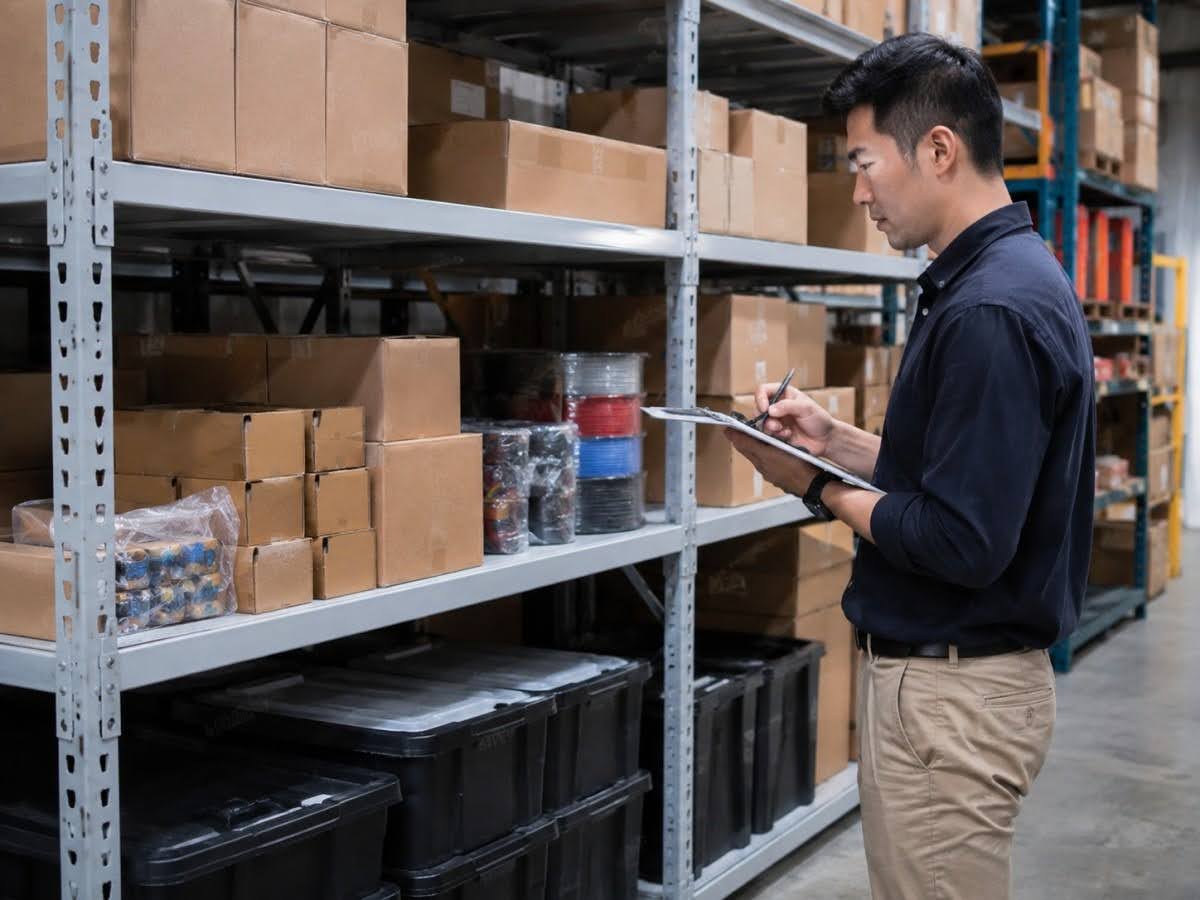
The items being stored influence shelf dimensions, spacing and load requirements. Selecting a boltless rack without first reviewing inventory can result in inefficient shelf use.
Businesses should consider product height, width, depth and weight.
Small components may benefit from relatively close shelf spacing, while larger cartons require greater vertical clearance. Deep shelving can accommodate larger goods but may make small items at the rear harder to retrieve.
A useful inventory assessment should determine:
- The dimensions of commonly stored items;
- The heaviest expected shelf loads;
- How frequently goods are retrieved;
- Whether inventory dimensions are likely to change; and
- Whether products can be handled manually.
This information provides a stronger basis for selecting shelf dimensions and configuration.
Adjustability Supports Changing Storage Requirements
Adjustable shelving allows shelf levels to be repositioned to suit different product heights. This is one of the main practical characteristics of boltless rack systems.
Industrial inventory can change over time as businesses introduce new products or alter packaging.
A fixed shelving arrangement may leave large unused spaces above shorter goods or fail to accommodate taller cartons.
Adjustable levels allow the available vertical space within each rack to be allocated more effectively.
Home users can benefit from the same flexibility when storage requirements change.
However, adjustments should remain within the system's intended configuration. Components should not be removed, altered or substituted in ways that affect the rack's designed use.
Industrial Storage Requires Better Inventory Organisation
Industrial boltless shelving often forms part of a wider inventory-management process. Products need to be stored in defined locations so workers can find and replenish them consistently.
Rack bays and shelf levels can be labelled according to the warehouse's location system.
Frequently picked goods may be positioned in easier-to-access locations, while less frequently handled stock can occupy other suitable shelf levels.
This creates an important difference from many household applications. Industrial shelving is not only about containing items; it supports stock movement and retrieval.
A well-organised boltless rack can therefore contribute to better inventory accessibility even without increasing the physical amount of storage space.
Available Space Should Determine Rack Configuration
Available storage space includes the rack footprint, vertical clearance and the access area needed around the shelving. A larger rack is not necessarily more efficient if it interferes with movement.
Industrial environments should account for aisles, picking activity and nearby equipment.
Shelving depth should also match inventory. Excessively deep shelves can consume floor area without providing useful capacity when the stored goods are relatively small.
Vertical space can be used by adjusting shelf levels to reduce unnecessary gaps between products.
For home environments, similar principles apply on a smaller scale. Shelving should fit the available room while preserving appropriate access.
The objective in both cases is usable storage rather than simply maximising rack dimensions.
Accessibility Matters in Industrial Applications
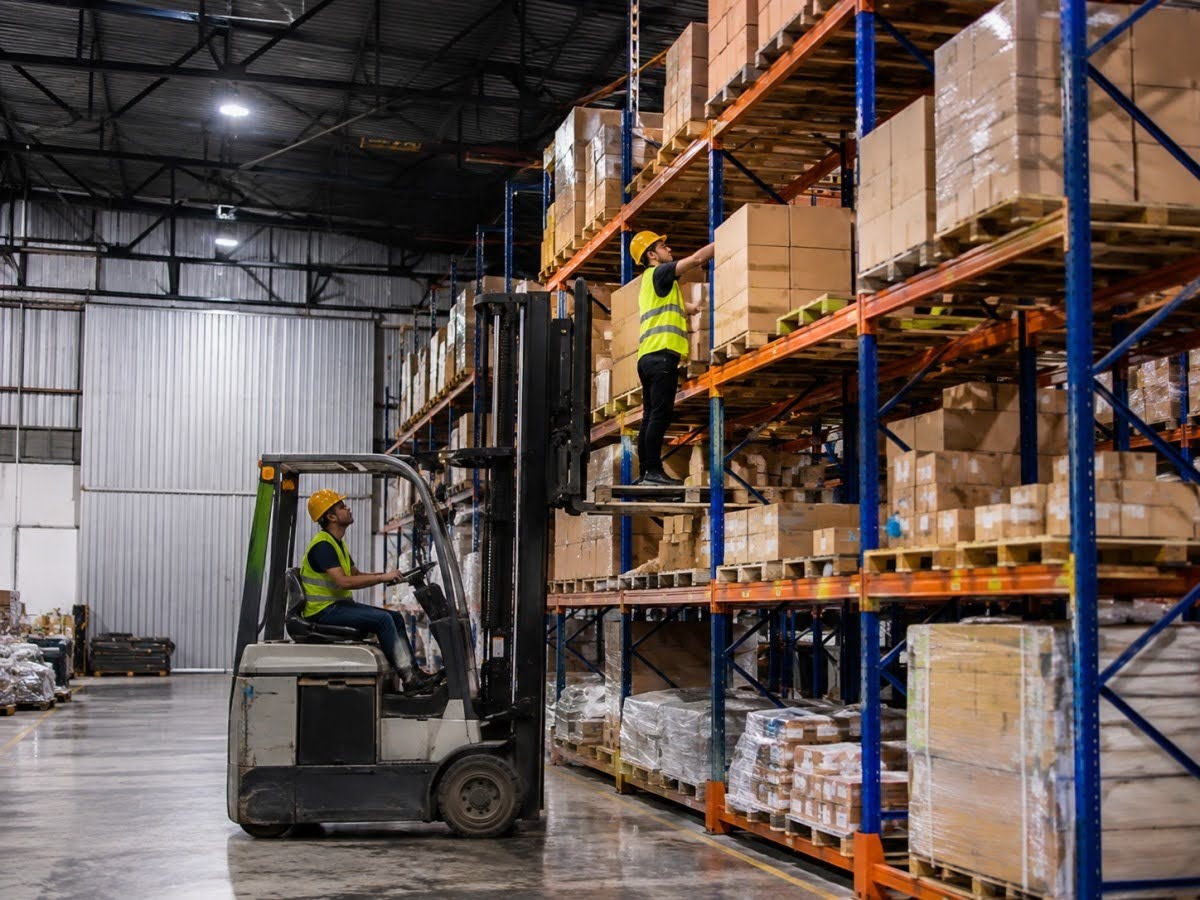
Accessibility refers to how easily stored goods can be identified, reached and removed. Industrial environments generally require more frequent access than home storage.
Frequently picked inventory should be placed in practical positions where workers can retrieve it without unnecessary movement.
Heavy manually handled goods may require particular attention to storage height and handling practices.
Shelf depth also affects accessibility. Products stored behind other items can become difficult to retrieve, especially where many SKUs share the same shelf.
An industrial boltless rack in Singapore that a warehouse uses should therefore be configured around picking requirements as well as capacity.
Boltless Racking vs Heavy-Duty Pallet Racking
Boltless racking and heavy-duty pallet racking serve different storage requirements. Boltless shelving is commonly intended for manually handled goods, while heavy-duty systems are generally used for substantial palletised loads.
The differences can be summarised as follows:
| Factor | Boltless Racking | Heavy-Duty Pallet Racking |
|---|---|---|
| Typical goods | Cartons, tools, parts, supplies | Palletised inventory |
| Handling | Primarily manual | Commonly forklift-based |
| Shelf configuration | Adjustable shelving | Pallet beam levels |
| Typical duty | Light to selected medium storage | Heavy-duty storage |
| Main benefit | Accessible modular organisation | Bulk vertical pallet storage |
A warehouse may use both systems because they address different stages of inventory storage.
Reserve pallets can remain on heavy-duty racks while smaller picking quantities are organised on boltless shelving.
Safety and Stability Considerations
Boltless shelving should remain stable and be used within the limits of its intended configuration. Safe use depends on assembly, loading and ongoing condition.
Loads should be distributed appropriately and kept within the stated capacity.
Heavy items should be positioned with consideration for stability and manual handling. The rack should also be placed on an appropriate surface and assembled according to the system requirements.
Industrial users should monitor shelving for damaged components, deformation or inappropriate modifications.
The absence of conventional bolts does not reduce the need for correct assembly. Interlocking components must still be properly engaged for the system to perform as intended.
Choosing Boltless Racking for Industrial Storage
Industrial boltless racking should be chosen according to inventory requirements rather than selecting the largest available shelving unit. Load, dimensions, accessibility and expected use should all be assessed.
Businesses can use a simple selection process:
- Identify Load Requirements: Identify the goods and maximum expected weights.
- Determine Shelf Dimensions: Determine suitable shelf width, depth and height.
- Assess Access Frequency: Consider how frequently inventory will be accessed.
- Verify Load Capacity: Confirm the system's load specifications.
- Integrate with Workflow: Plan the rack location around warehouse workflow.
- Plan for Future Flexibility: Allow for reasonable changes in future inventory.
Where goods exceed the practical limits of manually handled shelving, heavy-duty or another specialised racking system may be more suitable.
Frequently Asked Questions (FAQs)
What is a boltless rack?
A boltless rack is a modular shelving system that generally uses interlocking components instead of conventional nuts and bolts for its main assembly. It is commonly used for cartons, tools, components and other manually handled goods.
Is boltless racking suitable for warehouses?
Yes. Boltless shelving can be suitable for warehouse areas containing lighter or manually picked inventory. The specific system should be selected according to its load capacity and intended use.
What is the difference between industrial and home boltless racks?
Industrial applications generally involve more frequent handling, formal inventory organisation and potentially greater storage loads. Home racks are commonly used for household goods that are accessed less intensively.
Can boltless shelving store heavy items?
The answer depends on the capacity of the individual system. The term "boltless" does not define a standard load rating, so users should check the manufacturer's specification before storing heavier goods.
Are boltless rack shelves adjustable?
Many boltless systems provide adjustable shelf levels, allowing the spacing to be changed for different item heights. Adjustments should remain within the system's intended configuration.
Is boltless racking the same as pallet racking?
No. Boltless shelving is generally designed for manually handled goods, while pallet racking is intended for palletised inventory commonly accessed with material-handling equipment.
Selecting Boltless Storage for the Right Application
Boltless shelving can provide flexible storage for both industrial and home environments, but the requirements are not identical. Industrial applications typically place greater emphasis on load capacity, repeated access, inventory organisation and integration with warehouse operations.
Home storage is generally less intensive, although rack capacity and stability remain important.
For businesses evaluating a boltless rack in Singapore storage environment, the most important factors are the actual goods being stored, their weight and dimensions, the frequency of access and the available space. These requirements should determine the shelf configuration rather than choosing a system based only on size or appearance.
Configure Boltless Racking Around Your Storage Requirements
Industrial shelving should match the weight, dimensions and handling requirements of the inventory being stored. Eastern Win Enterprises Pte Ltd. provides boltless shelving and racking systems for different commercial and industrial storage applications in Singapore.
To discuss a suitable boltless storage configuration for your facility, you can contact Eastern Win Enterprises Pte Ltd.