


 Contact Us: (65) 6419 2850


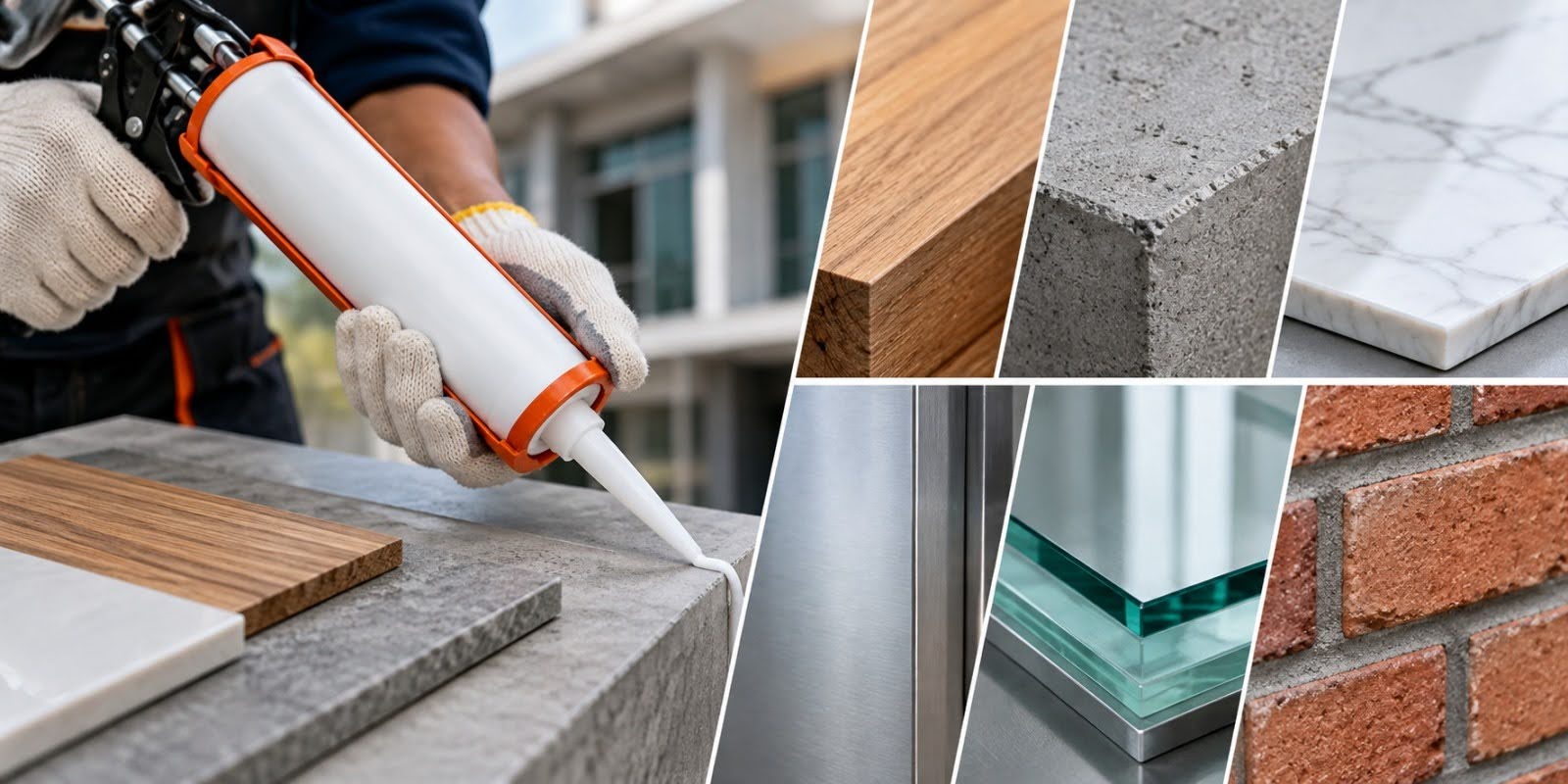
Construction adhesives are bonding products used to join building materials without relying solely on mechanical fasteners. They are commonly applied to timber, metal, panels, boards and other construction substrates where suitable adhesion, load transfer and installation performance are required.
The correct adhesive depends on the materials being bonded, the condition of the surfaces, whether the application is internal or external, and the strength and movement expected in service. A product that performs well on timber may not necessarily be suitable for coated metal or masonry without checking compatibility.
For contractors and businesses considering maxbond construction adhesive or Maxbond Glue, product selection should therefore be based on substrate type, application environment, curing behaviour, bond strength and manufacturer guidance.
This guide explains what construction adhesives are, the main types available, common substrate considerations, interior and exterior uses, surface preparation, common mistakes and how to select an appropriate product for the application.
What Are Construction Adhesives?
Construction adhesives are formulated bonding materials designed to attach building components or materials to one another. They can be used as a primary bonding method in suitable applications or as a complement to mechanical fixings.
Unlike general household glues, construction adhesives are formulated for building materials and conditions such as timber, metal, boards, masonry and other substrates.
Their role varies according to the application. Some adhesives are intended for general-purpose bonding, while others are designed for specific materials or environmental conditions.
The performance of a construction adhesive depends on several factors, including:
- The substrates being joined;
- The condition and preparation of the surfaces;
- The amount and pattern of adhesive applied;
- Curing conditions; and
- The loads expected after installation.
Adhesive selection should therefore begin with the application rather than with the product name alone.
How Construction Adhesives Work
Construction adhesives work by forming a bond between two surfaces through chemical and physical adhesion. The adhesive wets the surface, cures or dries, and develops strength across the bonded interface.
The exact process depends on the adhesive chemistry. Some products cure through moisture, while others dry through solvent or water evaporation.
Good adhesion requires sufficient contact between the adhesive and substrate. Dust, grease, loose material, moisture or incompatible coatings can prevent the adhesive from bonding effectively.
The adhesive layer also needs to suit the geometry of the joint. Large gaps, uneven surfaces or movement between materials may require a product formulated to accommodate those conditions.
A successful bond therefore depends on both the adhesive itself and the way it is applied.
Main Types of Construction Adhesives
Construction adhesives are available in different formulations because no single chemistry is ideal for every substrate and building condition. Common categories include solvent-based, water-based, polyurethane and hybrid adhesives.
The main characteristics can be summarised as follows:
| Adhesive Type | Typical Characteristics | Common Applications |
|---|---|---|
| Solvent-based adhesive | Strong initial grab, suited to many building materials | General construction bonding |
| Water-based adhesive | Lower solvent content, commonly used indoors | Timber, panels, interior applications |
| Polyurethane adhesive | Good durability and broad substrate compatibility | Timber, masonry, exterior applications |
| Hybrid adhesive | Flexible, versatile and suitable for varied materials | Construction, panels, mixed substrates |
| Specialised adhesive | Formulated for specific materials or uses | Flooring, panels, structural or technical applications |
The appropriate choice depends on the specific product specification. Adhesives within the same category can still differ considerably in strength, flexibility, curing behaviour and intended use.
Understanding Maxbond Construction Adhesive
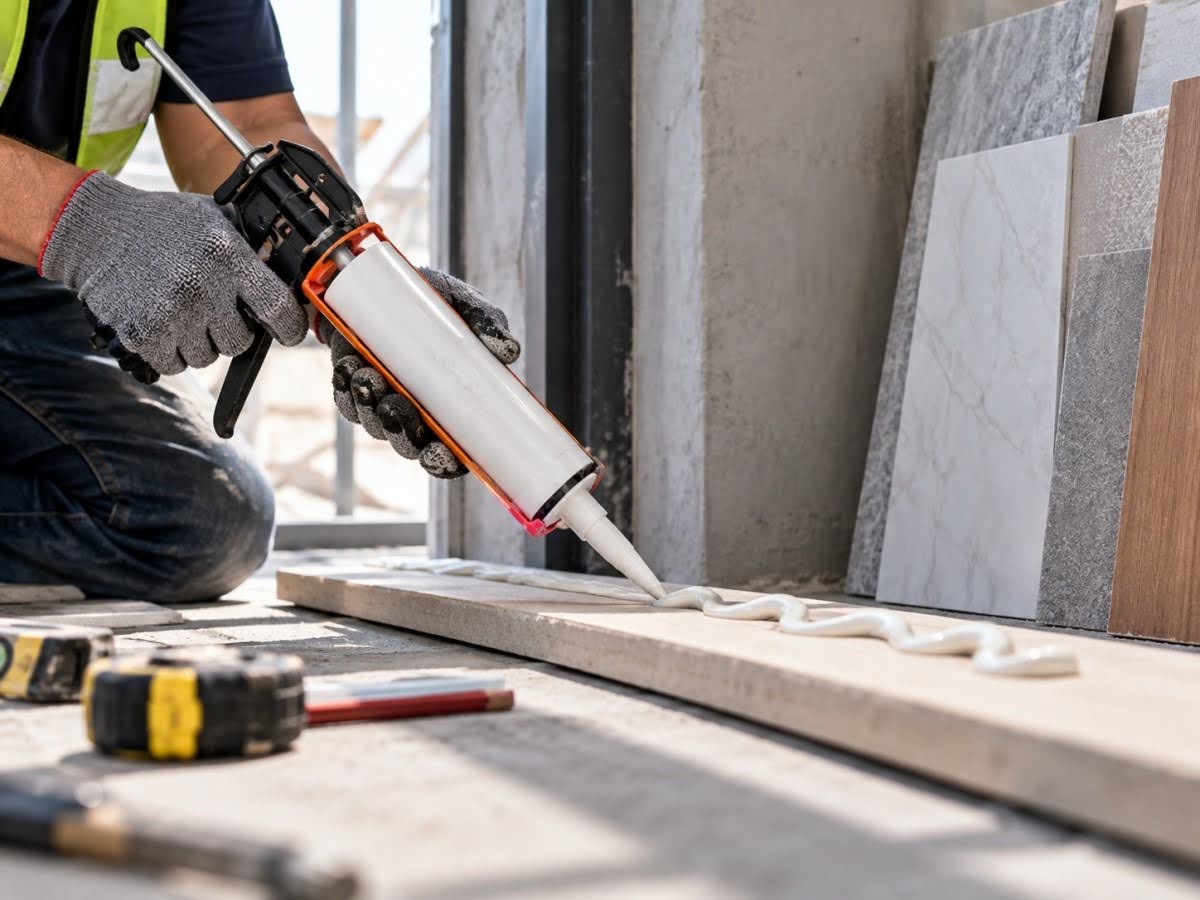
Maxbond Construction Adhesive refers to a range of construction bonding products intended for attaching common building materials in suitable applications. The exact performance and substrate compatibility depend on the specific Maxbond product selected.
Maxbond Glue may be used colloquially to describe these construction adhesives, but the product should still be selected according to technical requirements rather than treating all Maxbond products as interchangeable.
Construction adhesive products in this category can be used for materials such as timber, panels and selected construction substrates, subject to the individual product specification.
The key consideration is matching the adhesive to the application. This includes checking whether the product is intended for interior or exterior use, whether it can bond the selected materials, and what curing conditions are required.
Common Substrates for Construction Adhesives
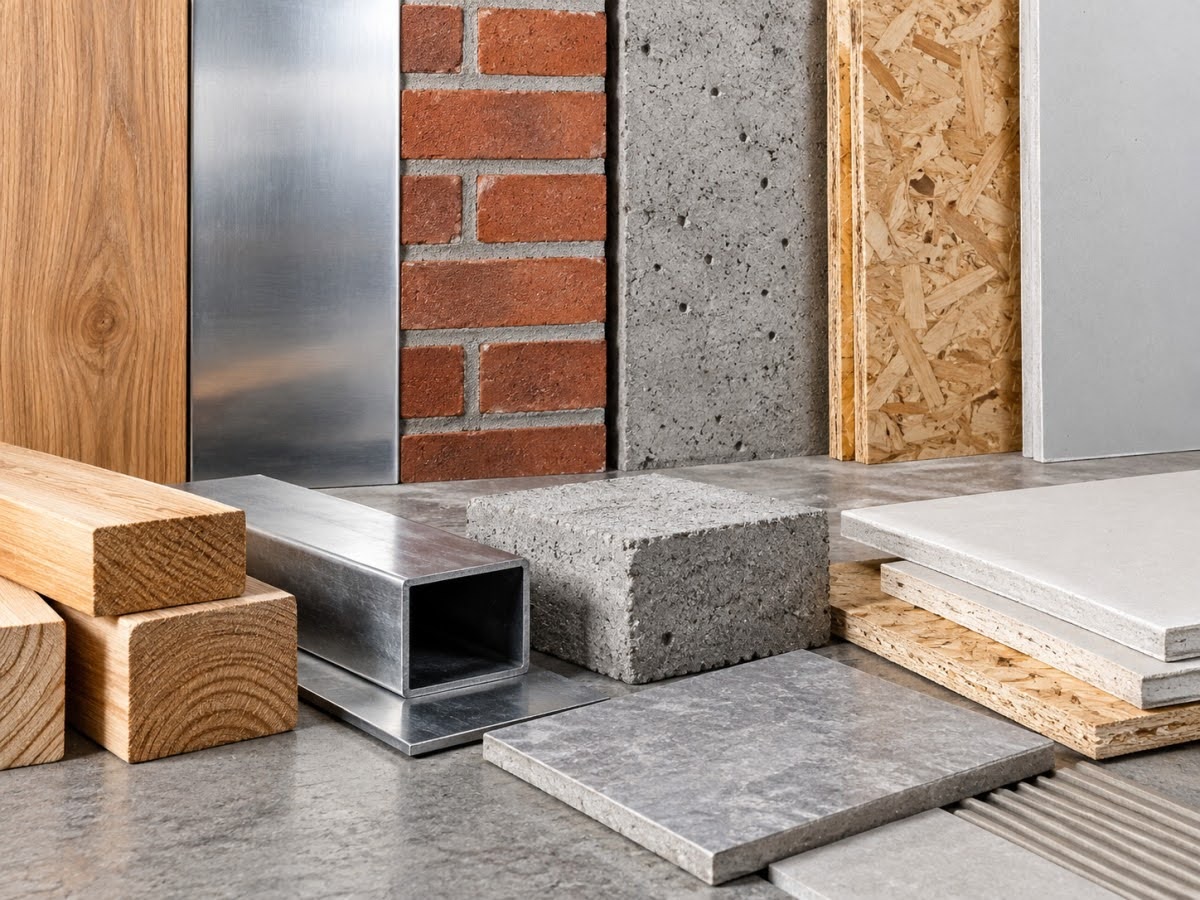
A substrate is the surface or material to which an adhesive is applied. Construction adhesives may be used on timber, metal, masonry, concrete, boards, panels and other building materials.
Substrate type matters because different materials have different surface characteristics.
Timber can absorb moisture and may contain natural oils. Metal is generally non-porous and may have coatings or oxidation. Concrete and masonry are porous and can contain dust or laitance.
These differences influence how an adhesive wets the surface and develops adhesion.
A product should therefore be selected based on its stated compatibility with the actual substrates involved.
Bonding Timber
Timber is a common substrate for construction adhesives because many building and interior components are made from wood or engineered timber.
The surface should be clean, stable and free from substances that could interfere with adhesion.
Moisture content can also affect performance. Excessively wet timber may reduce the effectiveness of products that require dry or controlled conditions.
Engineered timber, laminated boards and treated wood can behave differently from untreated solid timber.
For this reason, the adhesive should be checked for compatibility with the specific timber product rather than assuming all wood surfaces perform the same way.
Bonding Metal
Metal bonding requires an adhesive capable of adhering to a relatively smooth and non-porous surface. The surface condition is especially important because grease, oxidation and coatings can reduce adhesion.
Steel, aluminium and coated metals may each require different preparation.
Some construction adhesives can bond metal to timber, panels or masonry, but the product specification should confirm this use.
Where metal is exposed to movement or temperature changes, the adhesive may also need sufficient flexibility to accommodate differential movement between the bonded materials.
Bonding Concrete and Masonry
Concrete and masonry are porous substrates commonly encountered in building applications. Their surface condition can strongly influence adhesive performance.
Dust, loose particles and laitance should be removed before bonding because adhesive attached to weak surface material is only as strong as that material.
Moisture conditions should also be considered.
Some adhesives can tolerate slightly damp substrates, while others require a dry surface. The product technical data should be followed.
Concrete and masonry can also be uneven, so the adhesive may need sufficient body or gap-filling capability where appropriate.
Bonding Panels and Boards
Panels and boards are commonly bonded in interior fit-out and construction applications. These can include timber-based boards, wall panels, decorative panels and other sheet materials.
The adhesive needs to be compatible with both the panel and the receiving substrate.
Some boards may have laminated, coated or sealed surfaces that reduce adhesion compared with untreated material.
Panel dimensions also matter. Large panels can experience movement due to temperature or moisture changes.
The adhesive application pattern and amount should therefore follow product guidance rather than being applied arbitrarily.
Interior Construction Adhesive Applications
Interior construction adhesives are commonly used where environmental exposure is limited and the bonded materials are protected from direct weather.
Typical applications can include skirting, trim, panels, boards and timber components.
Indoor adhesives may also be used where appearance is important because mechanical fasteners can be reduced or concealed in suitable applications.
The internal environment does not remove the need for technical selection. Moisture, temperature, cleaning agents and movement can still affect bonded components.
Product suitability should be confirmed for the specific interior application.
Exterior Construction Adhesive Applications
Exterior construction adhesives need to withstand more demanding environmental conditions than products used only indoors. These conditions can include moisture, temperature fluctuations and weather exposure.
An adhesive used outside should be specifically suitable for exterior use.
Materials can also expand and contract differently when exposed to changing temperatures. The adhesive may therefore need enough flexibility to maintain the bond.
Water resistance and curing conditions are also important.
A product should not be assumed to be weather-resistant simply because it is described as a strong adhesive.
Bond Strength Considerations
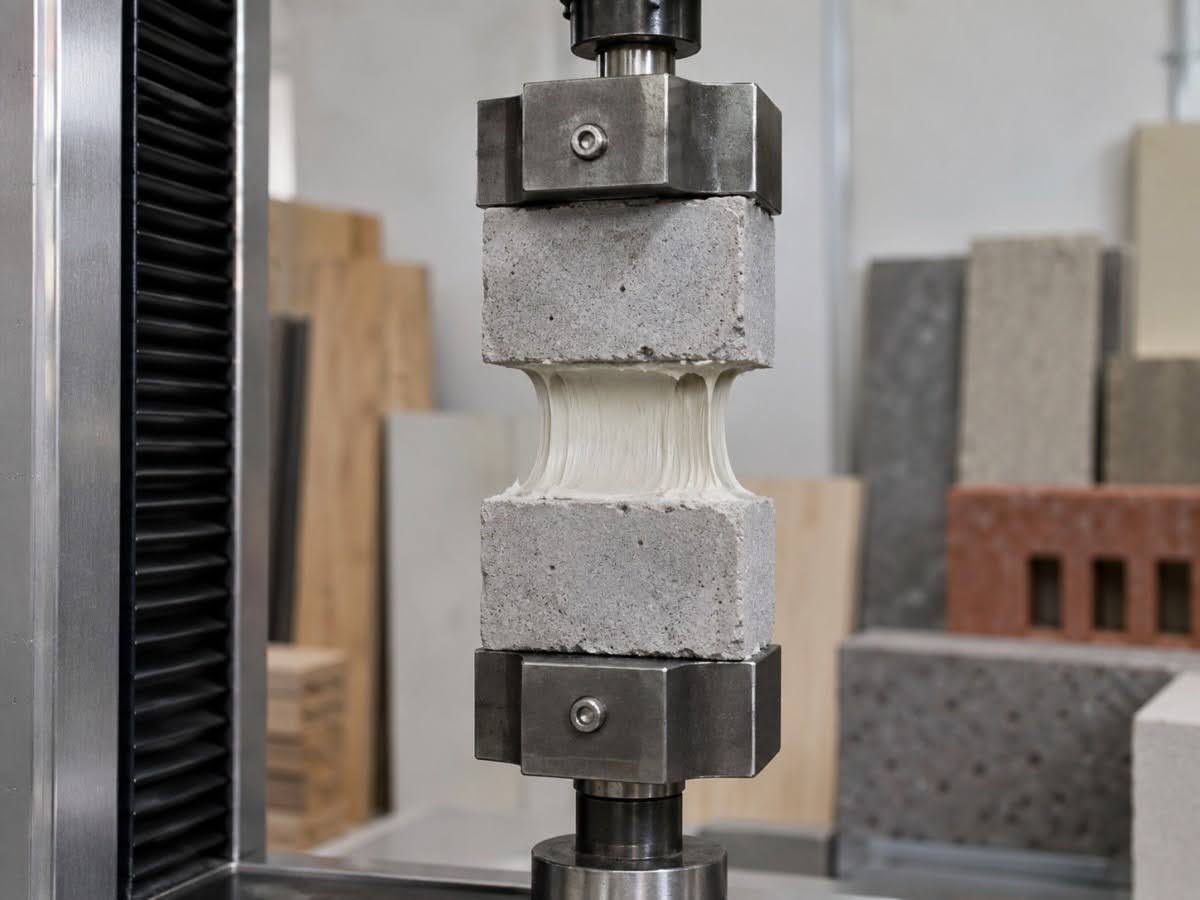
Bond strength refers to the adhesive’s ability to resist separation under the loads applied to the bonded materials. It is one of the main criteria when selecting a construction adhesive.
Different applications impose different types of load.
Some bonds mainly resist shear forces, while others may be exposed to tension, peel or movement.
The required strength also depends on whether the adhesive is carrying a permanent load or simply assisting with positioning.
Manufacturers normally provide performance information for specific products, but these figures should be interpreted in relation to the test conditions and substrates used.
A strong laboratory value does not automatically mean the adhesive will perform identically on a poorly prepared site surface.
Initial Grab and Final Bond Strength
Initial grab describes how well an adhesive holds materials shortly after application, while final bond strength refers to the strength developed after curing.
These are different characteristics.
A product with strong initial grab can reduce the need for temporary support in some applications, but it still requires sufficient curing time before the bond reaches its final performance.
Conversely, an adhesive with lower initial grab may develop strong final strength after curing.
The installation method should therefore consider both properties.
Heavy or unstable components may still require mechanical support until the adhesive has cured sufficiently.
Flexibility and Movement

Flexibility is important where bonded materials may move relative to one another. Timber, metal and other construction materials can expand, contract or deflect under changing conditions.
A rigid adhesive may be suitable for some static joints but less appropriate where movement is expected.
Flexible construction adhesives can help accommodate small differences between bonded substrates.
However, flexibility should not be treated as a substitute for appropriate joint or building design.
The amount of movement expected should remain within the adhesive’s intended service conditions.
Surface Preparation
Surface preparation is one of the most important factors affecting adhesive performance. Even a high-quality construction adhesive can fail if applied to dirty, weak or incompatible surfaces.
The bonded surfaces should generally be clean, stable and free from substances that could interfere with adhesion.
Preparation may involve:
- Removing dust and loose material;
- Cleaning grease or oil;
- Removing weak coatings;
- Checking moisture conditions; and
- Allowing surfaces to dry where required.
The exact preparation method should follow the product manufacturer’s guidance.
Some substrates may also require sanding, priming or other treatment before bonding.
Why Clean Surfaces Matter
Clean surfaces allow the adhesive to make direct contact with the substrate. Contamination can create a weak layer between the adhesive and the material.
Dust is a common issue on concrete, plaster and timber.
Oil and grease are particularly problematic on metal and workshop surfaces.
Loose paint or coatings can also fail even if the adhesive bonds strongly to the coating itself.
The strength of the finished bond therefore depends on the condition of the underlying surface, not just on the adhesive.
Moisture and Construction Adhesives
Moisture can affect both substrate condition and adhesive curing. Some products rely on moisture to cure, while others are adversely affected by wet surfaces.
Timber, concrete and masonry can all contain moisture.
The acceptable level depends on the adhesive formulation.
Exterior applications may also be exposed to rain or humidity before full cure.
Product instructions should be checked to determine whether damp surfaces are acceptable and how long the bond must be protected during curing.
Temperature and Curing Conditions
Temperature can influence adhesive viscosity, application behaviour and curing speed. Products applied outside their recommended temperature range may not perform as intended.
Low temperatures can slow curing.
High temperatures can shorten working time or change how the adhesive spreads.
Substrate temperature can also differ from air temperature, particularly on metal surfaces exposed to sunlight.
Application conditions should therefore be checked against product guidance before installation.
Applying Construction Adhesive Correctly
Construction adhesive should be applied in the quantity and pattern appropriate to the product and bonded materials. More adhesive does not automatically produce a stronger bond.
Depending on the application, the adhesive may be applied as beads, dots or a continuous layer.
The parts should then be positioned within the specified working time.
Some products require pressure or clamping to establish good contact.
Large components may need temporary mechanical support until the adhesive has developed sufficient strength.
Application instructions should be followed because different formulations can behave differently.
Gap Filling and Uneven Surfaces
Some construction adhesives are formulated to bridge small irregularities between substrates. This can be useful where surfaces are not perfectly flat.
However, gap-filling capability has limits.
Very large voids can reduce bond area and may require alternative preparation or installation methods.
An adhesive designed for thin bond lines may perform poorly if used as a thick filler.
Surface correction should therefore be considered before relying on adhesive alone to compensate for substantial unevenness.
Construction Adhesive vs Mechanical Fixings
Construction adhesives and mechanical fixings perform different functions and may be used separately or together depending on the application.
Mechanical fasteners such as screws or anchors transfer load through physical connection.
Adhesives distribute load across the bonded area.
In some suitable applications, adhesives can reduce visible fasteners or help distribute stress more evenly.
In other situations, mechanical fixings remain necessary because of load, safety or building requirements.
The choice should be based on the construction detail rather than assuming adhesive can replace every mechanical fixing.
Combining Adhesives and Mechanical Fasteners
Adhesives and mechanical fasteners can work together where the design requires both immediate restraint and long-term bonding.
Mechanical fixings may hold components in position while the adhesive cures.
The adhesive can then help distribute loads or reduce movement.
This combined method is common in some panel, timber and fit-out applications.
However, the materials and fixing method should be compatible. Fasteners should not prevent the adhesive from forming appropriate contact between surfaces.
Choosing an Adhesive by Material Combination
Construction adhesives should be selected according to both surfaces being bonded, not just one of them. Timber-to-timber bonding can have different requirements from timber-to-metal or panel-to-concrete bonding.
A simple material matrix can help define the selection process.
| Material Combination | Key Considerations |
|---|---|
| Timber to timber | Moisture, surface condition, timber type |
| Timber to metal | Differential movement, metal cleanliness |
| Panel to concrete | Porosity, surface condition, gap filling |
| Metal to masonry | Non-porous to porous interface |
| Board to timber | Coatings, panel size, internal movement |
The manufacturer’s technical information should confirm whether the adhesive is intended for the selected combination.
Choosing an Adhesive for Interior Projects
An interior adhesive should be selected according to substrate compatibility, expected loads and the environmental conditions inside the building.
Indoor applications may place greater emphasis on factors such as odour, paintability, ease of application or finish.
However, structural or load-bearing requirements remain important.
Bathrooms, kitchens and other moisture-prone areas may also require products with suitable water resistance even though the installation is indoors.
Interior conditions should therefore be defined more specifically than simply “not exposed to weather”.
Choosing an Adhesive for Exterior Projects
Exterior adhesives should be selected for durability under weather exposure, moisture and temperature changes.
The bonded materials should also be assessed for movement.
Timber can expand with moisture, while metal can change dimension with temperature.
The adhesive should remain suitable under these conditions.
Application timing is also important because rain or excessive moisture before curing can affect some products.
Manufacturer instructions should specify the environmental limits for installation and service.
Product Selection for Construction Adhesives
Product selection should begin with a clear description of the application. This makes it easier to compare technical requirements with the properties of available products.
A structured process can follow several steps:
- Identify both substrates;
- Determine whether the application is interior or exterior;
- Establish expected loads and movement;
- Check surface condition and preparation requirements;
- Review curing time and working conditions; and
- Confirm manufacturer compatibility and application guidance.
This process is more reliable than selecting a product only because it is described as “high strength”.
Common Mistakes When Choosing Construction Adhesives
Construction adhesive failures often result from selection or installation errors rather than from the adhesive category itself.
One common mistake is using the same adhesive for every substrate without checking compatibility.
Another is applying adhesive over dust, grease or weak coatings.
Using too little or too much adhesive can also affect performance.
Other problems can arise when loads are applied before full cure or when exterior conditions exceed the product’s intended use.
Understanding these issues can help improve installation reliability.
Using Adhesive on Unsupported Heavy Components
Heavy components may require temporary or permanent mechanical support even when a strong construction adhesive is used.
Adhesives need time to cure.
During this period, gravity or movement can disturb the bond.
Large panels and heavy decorative elements may therefore require bracing, clamping or mechanical fixing.
The adhesive should not be expected to provide full design strength immediately after application.
Avoiding Unsupported Product Substitution
Construction adhesives should not be substituted solely because two products appear similar.
Different formulations can have different substrate compatibility, strength, curing behaviour and environmental resistance.
Substitution is especially important to review where an adhesive forms part of a specified construction system.
Technical documentation should be checked before replacing one product with another.
This avoids relying on assumptions based on packaging or general product descriptions.
Storage and Handling of Adhesives
Construction adhesives should be stored according to manufacturer requirements because temperature, moisture and shelf life can affect product condition.
Cartridges, tubes or containers should remain properly sealed until required.
Expired or incorrectly stored material may not cure or perform as intended.
Worksites should also protect products from extreme heat or direct weather exposure where required.
Storage conditions are therefore part of quality control, not merely a logistics issue.
Frequently Asked Questions (FAQs)
What is a construction adhesive?
A construction adhesive is a bonding material formulated for building and installation applications. It can be used to join timber, metal, panels, masonry and other suitable substrates depending on the product specification.
What is Maxbond Construction Adhesive used for?
Maxbond Construction Adhesive products are used for bonding suitable building materials in construction and fit-out applications. The exact substrates and conditions depend on the individual Maxbond product, so technical guidance should be checked before use.
Is Maxbond Glue the same as construction adhesive?
Maxbond Glue may be used informally to refer to Maxbond adhesive products, but different products within the range can have different intended applications. The specific product should be selected according to substrate and environmental requirements.
Can construction adhesive bond timber?
Many construction adhesives can bond timber, but the surface should be clean and the product should be suitable for the particular timber type and application. Moisture content and coatings can affect adhesion.
Can construction adhesive be used on metal?
Some products are suitable for metal, provided the surface is clean and compatible with the adhesive. Grease, oxidation and coatings may need to be addressed before bonding.
Can construction adhesive be used outdoors?
Only products specified for exterior conditions should be used outdoors. Weather resistance, moisture exposure and temperature movement need to be considered.
Is construction adhesive stronger than screws?
Adhesives and screws transfer loads differently, so one cannot generally be described as universally stronger than the other. Some applications use both methods together.
Do surfaces need to be cleaned before applying adhesive?
Yes. Clean and stable surfaces are important because dust, grease, loose coatings and other contaminants can reduce adhesion.
How long does construction adhesive take to cure?
Curing time varies by product, application thickness, temperature, humidity and substrate. Manufacturer instructions should be followed before loading the bond.
Can more adhesive create a stronger bond?
Not necessarily. Excess adhesive can affect curing or create an unsuitable bond thickness. The recommended application quantity and pattern should be followed.
Building Reliable Bonds Through Correct Adhesive Selection
Construction adhesives can provide effective bonding across timber, metal, masonry, boards and other building materials when the product is matched correctly to the application.
Reliable bonding depends on more than adhesive strength alone. Substrate compatibility, surface preparation, environmental exposure, movement, curing conditions and application methods all influence the finished result.
Maxbond Construction Adhesive and Maxbond Glue products should therefore be selected according to their specific technical properties rather than treated as universal bonding products.
For construction and fit-out applications in Singapore, a systematic selection process helps ensure that the adhesive matches both the materials and the conditions in which the bonded components will operate.
Discuss Your Construction Adhesive Requirements
Construction adhesive selection should begin with the materials being bonded, the application environment and the performance required from the finished bond. Eastern Win Enterprises Pte Ltd. provides construction adhesive products for a range of building and installation applications.
For enquiries about Maxbond construction adhesives or suitable bonding products for a project, you can contact Eastern Win Enterprises Pte Ltd.