


 Contact Us: (65) 6419 2850


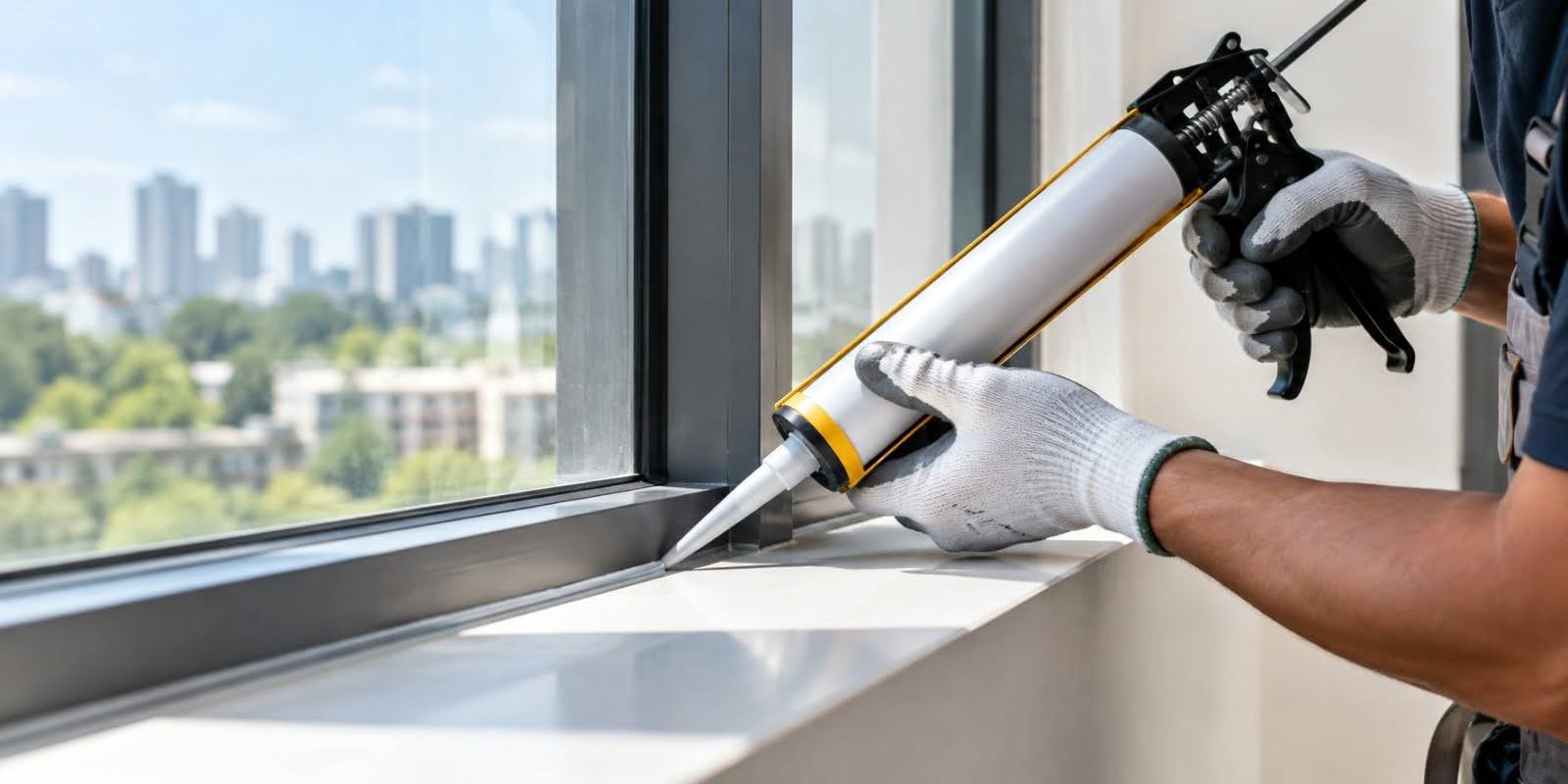
A glazing sealant is used to seal joints involving glass and adjoining building materials, helping manage weather exposure, movement and the interfaces found in windows, façades and other glazing systems. The appropriate sealant depends on the glazing application, substrates, expected movement, UV exposure and whether the joint performs a weather-sealing or more specialised function.
Not every sealant suitable for glass is appropriate for every glazing application. A perimeter joint around a window has different requirements from a structural glazing system, while an exterior façade joint may require long-term resistance to sunlight, rain and dimensional movement.
For buildings in Singapore, exterior glazing can also be exposed to high humidity, rainfall, heat and prolonged UV exposure. Product selection should therefore focus on the actual joint conditions and glazing system rather than treating all silicone or construction sealants as interchangeable.
This guide explains common glazing sealant applications, the difference between structural and weather sealing, movement requirements, substrate compatibility and the main factors to consider when selecting a sealant.
What Is a Glazing Sealant?
A glazing sealant is a flexible sealing material used at joints and interfaces involving glass within windows, curtain walls, façades and other glazing assemblies. Depending on the application, it can help prevent water and air penetration while accommodating movement between adjoining materials.
Silicone-based products are commonly associated with glazing because suitable formulations can provide flexibility and resistance to weather and UV exposure.
However, "glazing sealant" describes the application rather than one universal product formulation.
Different glazing systems can require substantially different performance characteristics. The selected product should therefore be specifically compatible with the glass, frame materials and intended function of the joint.
How Glazing Sealants Work
Glazing sealants work by adhering to compatible surfaces on either side of a joint while remaining sufficiently flexible to accommodate expected movement. After curing, the material forms a continuous seal across the interface.
The sealant needs appropriate contact with the intended bonding surfaces.
Joint dimensions, sealant depth and substrate preparation can therefore affect performance.
In exterior applications, the seal also needs to withstand environmental exposure while maintaining adhesion and flexibility.
A glazing sealant should consequently be considered as part of the complete joint design rather than simply a material used to fill a visible gap.
Common Glazing Sealant Applications
Glazing sealants can be used in several areas of a building where glass interfaces with frames, façade elements or other construction materials.
Common applications include:
- Window perimeter and frame joints;
- Glass-to-frame sealing;
- Curtain wall weather sealing;
- Façade glazing joints;
- Selected glass-to-glass joints; and
- Specialised structural glazing systems.
The required product properties depend on the application.
A general window weather seal, for example, should not automatically be treated as equivalent to a sealant used to structurally retain glazing components.
Window and Frame Sealing
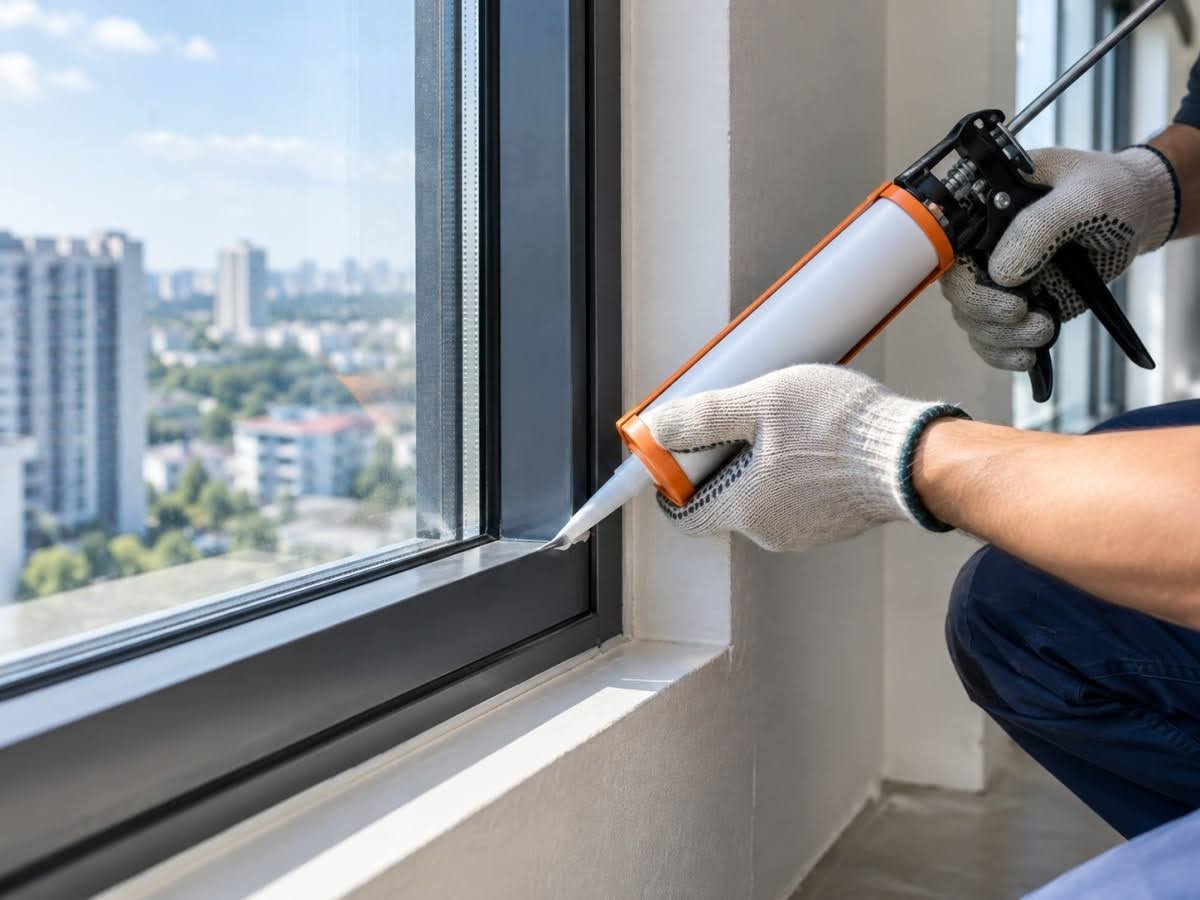
Window sealing commonly involves joints between glazing or frame components and surrounding construction materials. These joints can help manage air and water entry while accommodating movement.
Frames may be manufactured from aluminium or other materials, while the surrounding substrate can include concrete, masonry or façade components.
The sealant must therefore be compatible with the actual surfaces it contacts.
Exterior window joints also experience environmental exposure.
UV resistance, weathering performance and movement capability can consequently be important selection considerations.
The joint design and surface preparation should support the intended sealing function.
Façade Glazing Applications
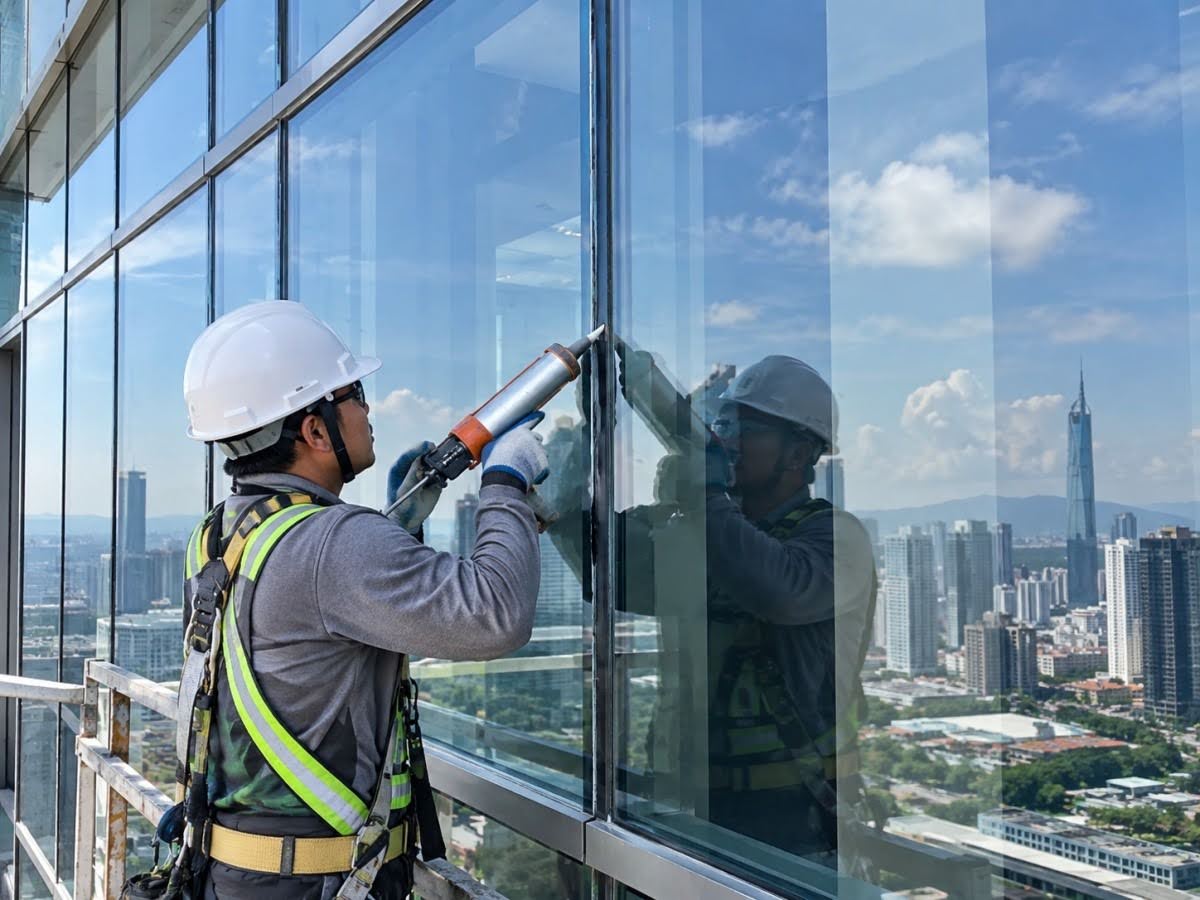
Façade glazing applications can involve extensive areas of glass integrated with aluminium framing and other building-envelope components. Sealants can form important interfaces between these materials.
The requirements depend on the façade design.
Some joints primarily provide weather sealing, while others may have more specialised functions.
Façades also experience dimensional changes caused by temperature, wind and building movement.
A suitable sealant should be capable of accommodating the expected joint movement while maintaining adhesion to the relevant substrates.
Product selection should therefore consider the façade system as a whole rather than choosing a Sealant based only on its ability to bond to glass.
Structural Glazing vs Weather Sealing
Structural glazing and weather sealing are different functions even though silicone sealants may be used in both applications.
Weather-sealing joints are primarily intended to help limit the passage of water and air while accommodating normal joint movement.
Structural glazing applications use specifically designed structural silicone systems to transfer defined loads between glass and supporting framing as part of an engineered assembly.
The distinction is important:
| Factor | Weather-Sealing Glazing | Structural Glazing |
|---|---|---|
| Primary role | Weather protection | Structural attachment/load transfer |
| Typical location | Exterior glazing and façade joints | Engineered glass-to-frame systems |
| Main considerations | Movement, weathering, adhesion | Structural performance and compatibility |
| Product selection | Application-specific weather sealant | Specifically designed structural glazing silicone |
| Engineering requirement | Depends on system | Integral to system design |
A general glazing sealant should never be assumed suitable for structural glazing simply because it adheres to glass and aluminium.
What Is Weather Sealing?
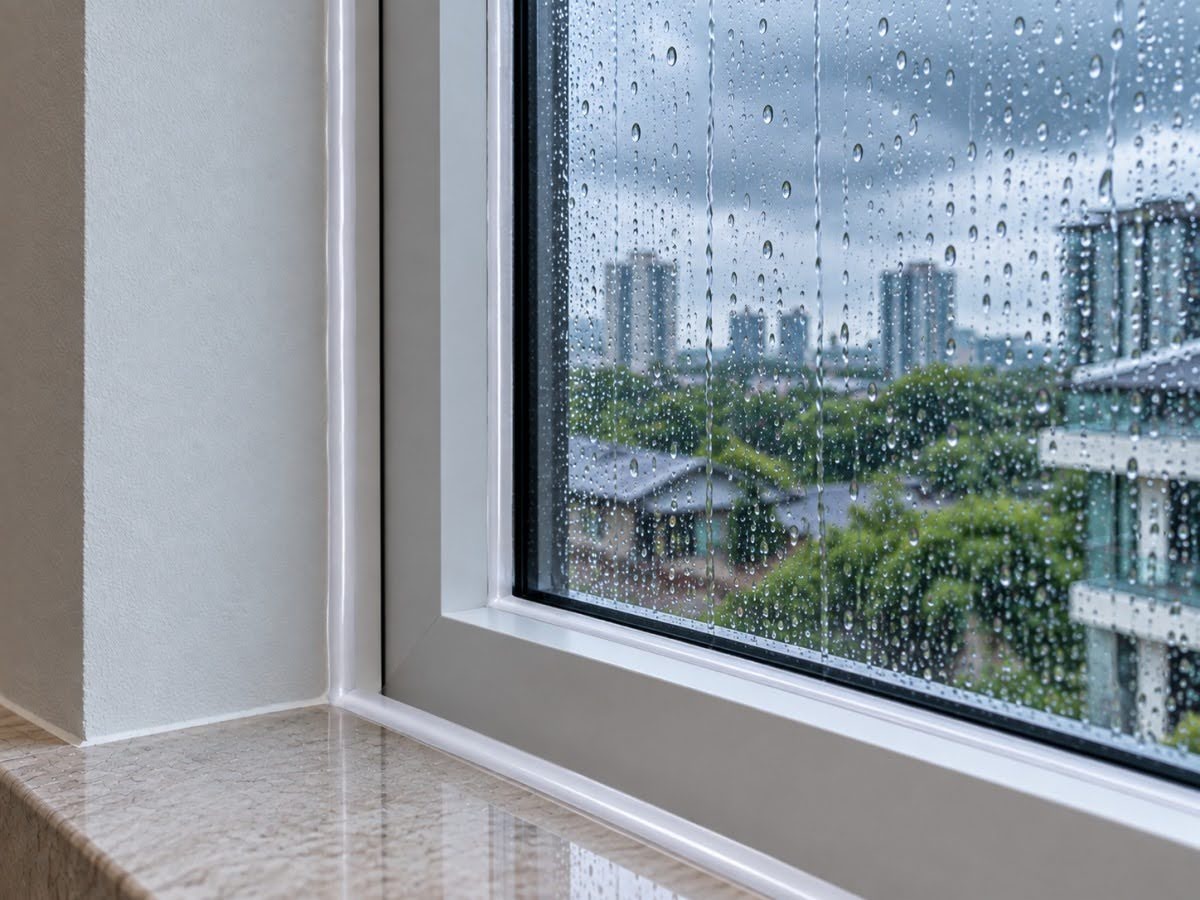
Weather sealing is the use of suitable materials at building joints to help restrict the passage of rainwater and air through the building envelope.
In glazing systems, weather seals are commonly positioned at interfaces between glass, frames and façade components.
The sealant needs to remain functional while the joint changes dimension.
For Singapore buildings, repeated exposure to rainfall, humidity and sunlight makes exterior weathering performance particularly relevant.
Weather resistance should not be confused with structural capability.
A sealant can perform effectively as a façade weather seal without being designed to transfer structural glazing loads.
Why Movement Capability Matters
Movement capability describes the amount of extension and compression a sealant is designed to accommodate within an appropriately configured joint.
Glazing systems can experience movement because different building materials respond differently to environmental conditions.
Glass, aluminium, concrete and other façade materials can expand or contract at different rates.
Wind and building movement can introduce additional changes.
If the sealant cannot accommodate the expected movement, stress can develop within the joint.
Selection should therefore account for both the sealant's movement characteristics and the dimensions of the glazing joint.
Joint Dimensions Influence Performance
Joint dimensions affect how a glazing sealant responds to movement. Width and depth should be appropriate for the product and intended application.
A joint that is too narrow may not provide sufficient capacity for expected dimensional change.
Excessive depth can also alter the way stress is distributed through the sealant.
Backing materials may be used in suitable weather-sealing joints to help establish the required sealant profile and depth.
Joint geometry should therefore be planned rather than determined simply by the size of the visible gap after construction.
UV Resistance for Exterior Glazing
UV resistance is particularly important for glazing sealants exposed continuously to sunlight. Exterior windows and façades can receive substantial ultraviolet radiation over their service life.
Suitable silicone glazing sealants are commonly selected for exterior applications partly because appropriate formulations can provide resistance to UV exposure.
However, product-specific performance should still be verified.
A sealant used behind protected interior glazing may face very different conditions from an exposed exterior façade joint.
The intended location should therefore be identified before product selection.
For Singapore applications, UV exposure should be considered alongside heat, humidity and rainfall.
Weather Exposure in Singapore
Exterior glazing in Singapore is exposed to a warm, humid tropical environment with frequent rainfall. These conditions can place repeated demands on façade and window joints.
The selected glazing sealant should be appropriate for exterior weather exposure where applicable.
Rainwater resistance is only one consideration.
Temperature changes can create movement between glass, aluminium and surrounding construction materials, while prolonged sunlight can expose exterior seals to UV radiation.
The joint should therefore be designed around the combined environmental conditions rather than addressing moisture alone.
Correct installation remains important even when a product is formulated for demanding exterior environments.
Glass Compatibility
Glass is a smooth, non-porous substrate commonly bonded or sealed with suitable silicone products. However, glazing applications can involve different glass types, coatings and surface treatments.
Compatibility should therefore be confirmed for the actual glass being used.
A product that adheres effectively to one untreated glass surface should not automatically be assumed suitable for every coated glazing product.
The sealant should also not create undesirable interactions with coatings or other materials in the glazing assembly.
For specialised systems, compatibility testing or manufacturer guidance may be appropriate before full installation.
Aluminium and Metal Frame Compatibility
Aluminium is widely used in glazing frames and façade systems, making sealant compatibility with aluminium surfaces an important consideration.
The actual bonding surface may not be bare aluminium.
Frames can be anodised, painted, powder-coated or treated with other finishes.
The sealant is effectively bonding to that finish, so compatibility should be assessed accordingly.
Surface contamination can also interfere with adhesion.
Oil, dust and installation residues should be removed using an appropriate preparation method before sealant application.
The preparation procedure should follow the requirements of the selected glazing system and sealant.
Compatibility With Concrete and Masonry
Glazing perimeter joints can sometimes connect window or façade components with concrete, masonry or other porous construction substrates.
These materials behave differently from glass and aluminium.
Porous surfaces can contain dust, loose particles or moisture that affects adhesion.
The selected sealant should therefore be suitable for both sides of the joint.
A product developed primarily for glass-to-metal sealing should not automatically be assumed appropriate for a glass or aluminium interface with porous masonry.
Primer requirements, where applicable, should also be considered according to the product and substrate.
Sealant Compatibility With Adjacent Materials
Glazing systems often contain more materials than the two visible surfaces forming the joint. Gaskets, backing materials, coatings and other sealants may be present nearby.
These materials can potentially interact.
Compatibility should therefore consider the complete joint assembly.
For example, contact between incompatible materials can affect adhesion, curing or appearance.
A replacement sealant used during maintenance should also be evaluated against existing materials rather than assuming that a new product can be installed directly over or beside any previous sealant.
This is particularly relevant in façade refurbishment projects.
Surface Preparation Before Glazing Sealant Application
Surface preparation is necessary because a sealant needs direct contact with suitable, stable substrates to develop the intended adhesion.
Dust, oils and other contamination can interfere with bonding.
A typical preparation process can include:
- Identifying the exact substrates and finishes;
- Removing loose materials and contamination;
- Cleaning surfaces using an appropriate method;
- Allowing surfaces to reach the required condition;
- Applying primer where specified; and
- Installing suitable backing materials where required.
The precise method depends on the sealant and glazing system.
Applying additional sealant cannot compensate reliably for poor substrate preparation.
Backer Rods and Glazing Joints
Backer rods can be used in suitable sealant joints to help control sealant depth and establish an appropriate joint profile.
They occupy the space behind the applied sealant so the material is not installed unnecessarily deep.
A properly selected backing material can also help the sealant bond primarily to the intended sides of the joint.
This can support movement performance in appropriate applications.
Backer rod dimensions and material should correspond with the joint and sealant requirements.
Backing materials should not be treated as universal components that can be substituted without considering compatibility.
Curing Conditions Matter
Glazing sealants require suitable curing conditions to develop their intended properties. The curing mechanism and required time depend on the specific formulation.
Humidity and temperature can influence curing behaviour.
The exposed surface may form a skin before the material has cured throughout its full depth.
The joint should therefore not be subjected prematurely to conditions outside the product requirements.
Structural glazing applications require particularly careful control because the sealant may eventually perform a load-transfer function.
Curing requirements should always follow the specific product and system instructions.
Choosing a Glazing Sealant
Glazing sealant selection should begin by defining the application and joint conditions before comparing individual products.
A practical assessment should consider:
- Sealing Function: Whether the joint is for weather sealing or another glazing function;
- Glass Characteristics: The glass type and surface treatment;
- Adjoining Substrates: Frame or adjoining substrate materials;
- Expected Movement: Anticipated movement in the joint over time;
- Environmental Location: Exterior or interior exposure;
- Weather & UV Exposure: UV and weather-resistance requirements; and
- System Compatibility: Compatibility with adjacent system components.
For specialised structural glazing, selection should follow the requirements of the engineered glazing system rather than general-purpose sealant criteria.
Common Glazing Sealant Selection Mistakes
One common mistake is assuming that every silicone Sealant can be used for every glass application. Silicone products can have substantially different intended uses.
Another mistake is treating weather sealing and structural glazing as interchangeable.
Selecting a product based only on adhesion to glass can also overlook movement, UV exposure and compatibility with adjoining materials.
Poor surface preparation is another frequent issue.
Even an appropriate sealant may not perform as intended when installed over contaminated or unsuitable surfaces.
Finally, replacing an existing façade sealant without checking compatibility with the remaining materials can create additional problems.
Frequently Asked Questions (FAQs)
What is glazing sealant used for?
Glazing sealant is used in joints involving glass, frames and other building components. Depending on the product and application, it can provide weather sealing, accommodate movement and form part of specialised glazing systems.
Is glazing sealant the same as silicone sealant?
Many glazing sealants are silicone-based, but not every silicone sealant is suitable for glazing. The product should be specifically appropriate for the substrates and glazing application.
What is the difference between structural glazing and weather sealing?
Weather sealing primarily helps restrict water and air entry while accommodating joint movement. Structural glazing uses specifically designed structural silicone as part of an engineered system that transfers defined loads between glazing and supporting components.
Can glazing sealant be used outdoors?
Products intended for exterior glazing can be suitable for outdoor exposure. UV resistance, weathering, movement capability and substrate compatibility should be considered before selection.
Why is movement capability important for glazing?
Glass, aluminium and surrounding construction materials can move differently because of temperature and other building conditions. The sealant needs to accommodate the expected joint movement within its intended limits.
Can glazing sealant be applied over an existing sealant?
This should not be assumed. Existing material, surface condition and compatibility need to be assessed before replacement or remedial sealing.
Building Reliable Glazing Joints
Glazing sealants perform an important role at the interfaces between glass, frames and façade components. Their requirements can range from general perimeter weather sealing to highly specialised structural glazing applications.
Successful selection depends on understanding the joint's actual function. Movement, UV exposure, weather conditions, glass type, frame finish and compatibility with adjacent materials should all be considered.
For exterior applications in Singapore, weather exposure and long-term joint movement are particularly relevant. A glazing sealant should therefore be selected as part of the overall glazing or façade system rather than simply as a general material for filling gaps around glass.
Select a Sealant for Your Glazing Application
Glazing and façade sealants should be selected according to the glass, adjoining substrates, joint movement, weather exposure and intended sealing function. Eastern Win Enterprises Pte Ltd. provides sealant solutions for different façade, structural and glazing applications.
To discuss a suitable glazing sealant for your construction requirements, you can contact Eastern Win Enterprises Pte Ltd.