


 Contact Us: (65) 6419 2850


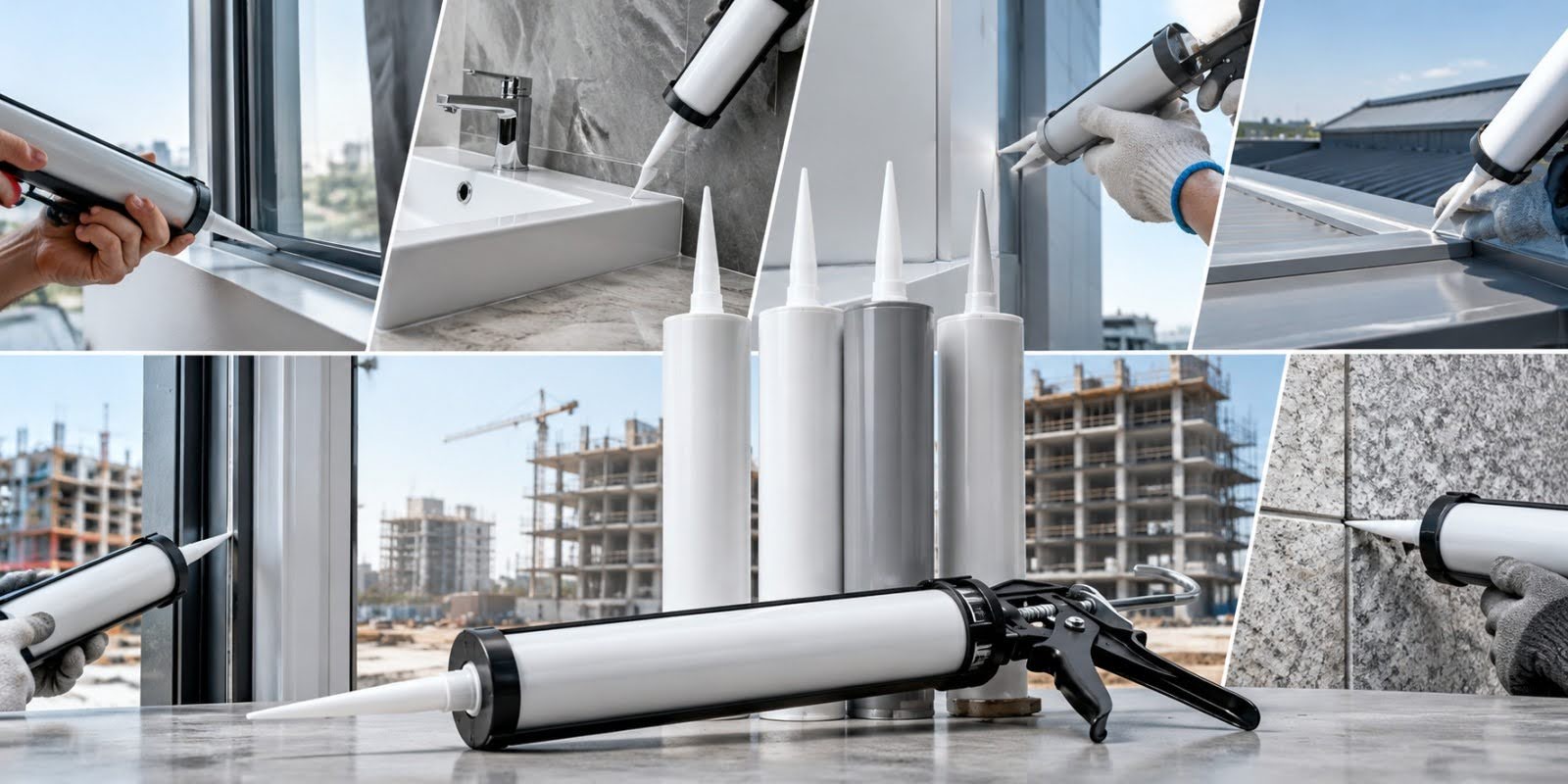
For construction projects, silicone sealants in Singapore should be selected according to the substrates being sealed, expected joint movement, exposure conditions and whether the application is indoors or outdoors. Although silicone sealants are widely used for sealing joints and gaps, different formulations can have different adhesion, movement and weather-resistance characteristics.
The correct sealant also depends on the function of the joint. A sealant used around an interior fixture does not necessarily face the same conditions as one installed on an exterior façade, glazing assembly or weather-exposed building joint.
For this reason, silicone sealant selection should begin with the application rather than choosing a product based only on general descriptions such as "waterproof" or "weather resistant".
This guide explains how silicone sealants work, their common construction applications and the factors that should be considered when matching a sealant to different substrates and environmental conditions.
What Is a Silicone Sealant?
Silicone sealant is an elastomeric sealing material used to fill and seal joints, gaps and interfaces between compatible construction materials. After application, it cures to form a flexible seal that can accommodate a degree of movement while helping prevent the passage of water, air or other environmental elements.
Silicone differs from rigid fillers because it is designed to remain flexible after curing.
This flexibility makes it useful for construction joints where adjacent materials may expand, contract or move.
Silicone sealants are available in different formulations for different substrates and applications. Their performance characteristics can vary in areas such as adhesion, curing behaviour, movement capability and resistance to weather exposure.
The product should therefore be selected according to its technical properties and intended use.
How Silicone Sealant Works in a Construction Joint
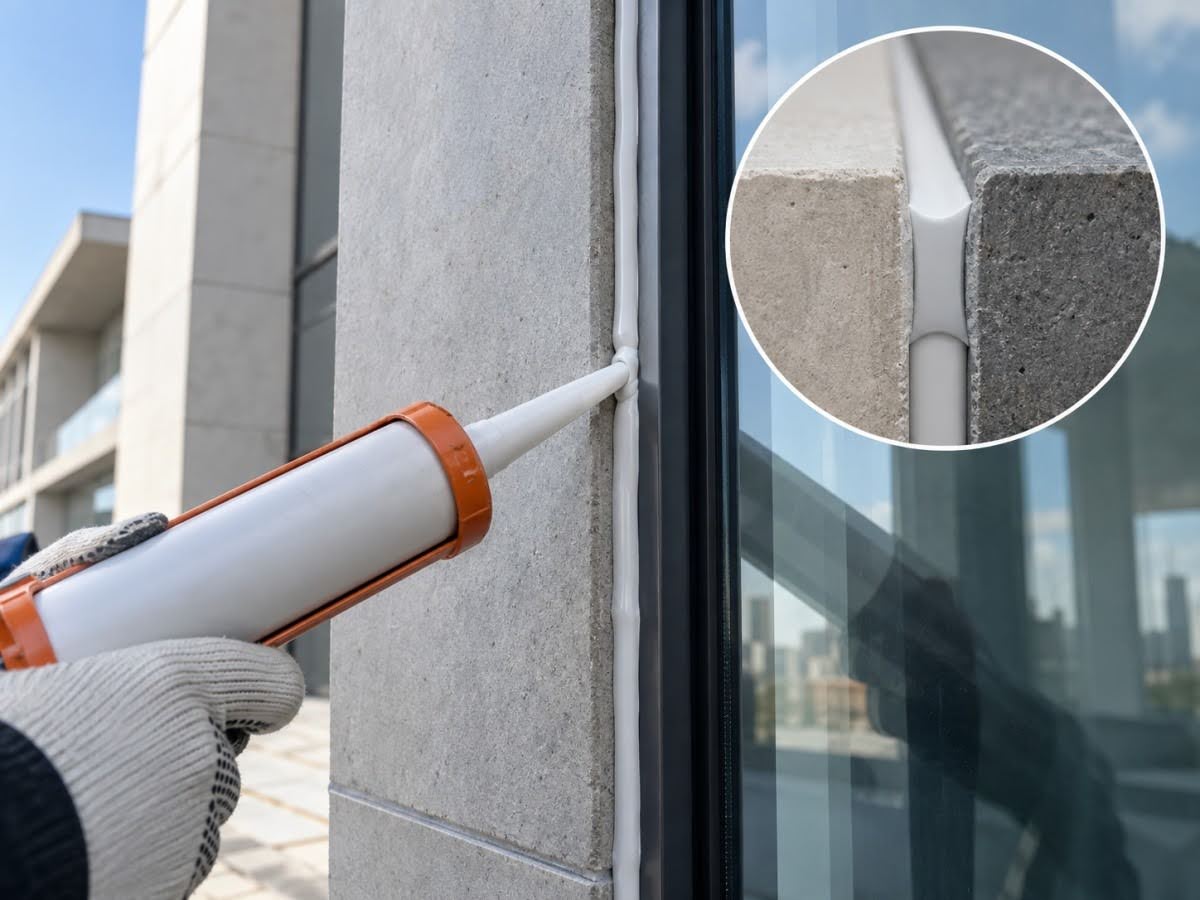
Silicone sealant works by adhering to the sides of a properly prepared joint and forming a flexible connection between the adjacent materials. The cured seal can then accommodate movement within the limits of the product and joint design.
The joint itself is an important part of sealant performance.
Its width, depth and surrounding materials affect how the sealant responds to movement.
Applying a suitable silicone to an incorrectly prepared or poorly designed joint can still result in inadequate performance.
Construction sealant selection should therefore consider both the material and the joint in which it will be installed.
Common Applications for Silicone Sealants
Silicone sealants are used across a wide range of construction applications because of their flexibility and resistance to environmental exposure.
Typical uses include sealing around windows and doors, construction joints, glazing assemblies and selected interior fixtures.
Applications can generally be grouped into several areas:
- Interior joint and gap sealing;
- Exterior weather sealing;
- Window and door perimeter sealing;
- Glazing applications; and
- Façade and building-envelope joints.
Each application can place different demands on the sealant.
A glazing application, for example, may require characteristics that differ from those needed for a general interior joint.
Choosing Silicone Sealant for Interior Applications
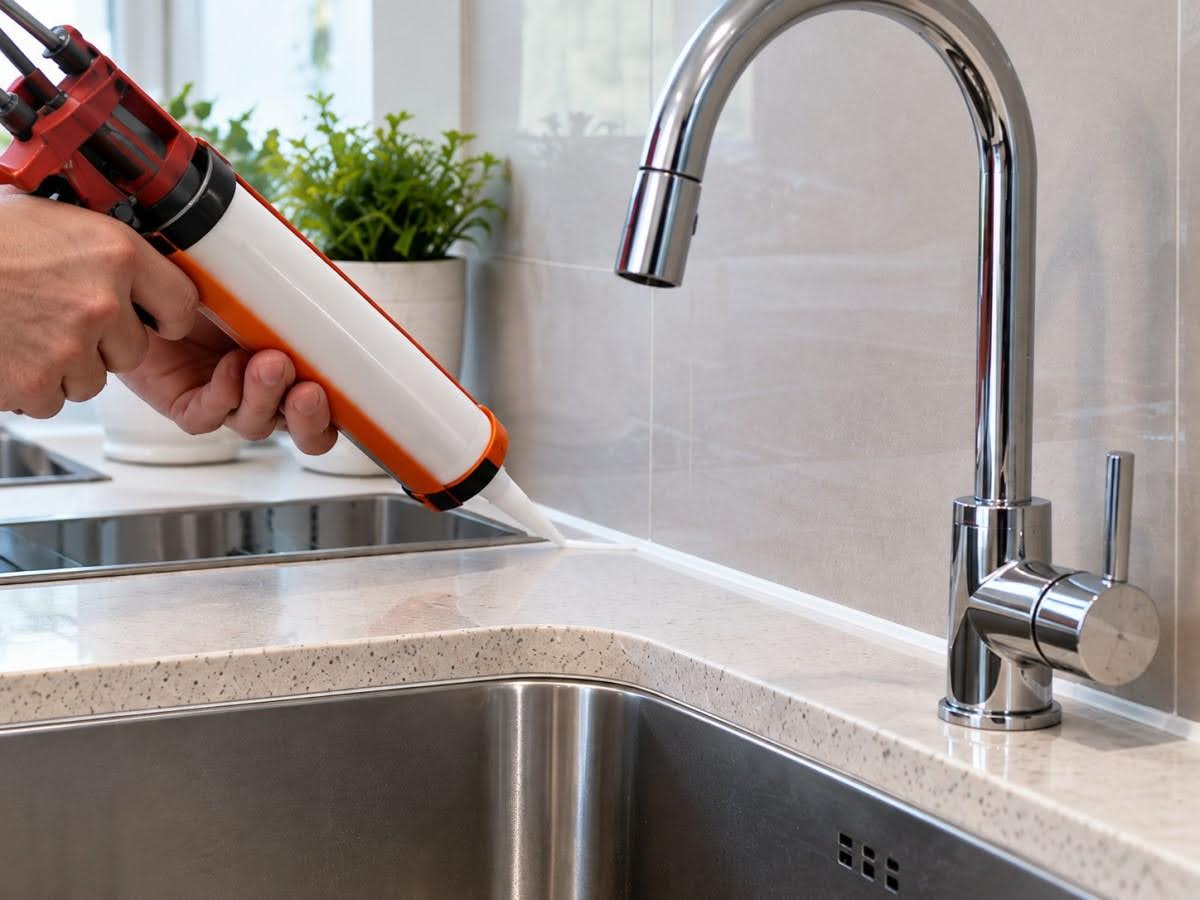
Interior silicone sealants should be selected according to the substrates, moisture exposure and movement expected within the application.
Common interior uses can include joints around fixtures, selected wall interfaces and other gaps requiring a flexible seal.
Indoor conditions are generally less exposed to direct sunlight and weather than exterior applications, but this does not mean every silicone product is automatically suitable.
Areas such as kitchens, toilets and other moisture-prone environments may have different requirements from dry internal spaces.
The compatibility of the silicone with surrounding materials should still be checked before installation.
Choosing Silicone Sealant for Exterior Applications

Exterior silicone sealants need to maintain their intended performance while exposed to environmental conditions such as sunlight, rain, humidity and temperature changes.
Singapore's warm and humid climate can place repeated environmental exposure on external building joints.
Exterior sealant should therefore be specifically suitable for weather-exposed applications.
UV resistance can be particularly important because exterior joints may receive prolonged sunlight.
Movement capability also matters. Building materials can expand and contract as temperatures and environmental conditions change.
The selected product should be able to accommodate the movement expected from the joint within its specified limits.
Understand Substrate Compatibility
Substrate compatibility refers to whether a sealant can develop and maintain appropriate adhesion to the materials forming the joint. It is one of the most important considerations when choosing silicone sealant.
Common construction substrates can include glass, aluminium, concrete, masonry, ceramic materials and selected plastics.
These surfaces have different characteristics.
Glass is smooth and non-porous, while concrete and masonry are porous. Aluminium may also have coatings or finishes that influence adhesion.
A silicone product suitable for one material should not automatically be assumed to perform identically on another.
Product technical information should therefore be reviewed for the actual substrate combination.
Silicone Sealant for Glass
Glass is a common substrate for silicone sealants, particularly in glazing and window applications. Its smooth, non-porous surface requires a sealant designed to develop appropriate adhesion under the intended conditions.
The type of glazing application also matters.
General perimeter weather sealing differs from structural glazing, where the sealant may perform a more specialised role within the façade system.
For this reason, a general-purpose silicone should not automatically be substituted for a product intended for a specialised glazing application.
Glass surfaces should also be properly cleaned before application to reduce contamination that could interfere with adhesion.
Silicone Sealant for Aluminium and Metal
Silicone sealants are frequently used where aluminium or other compatible metal components meet glass, walls or other construction materials.
Surface condition can influence adhesion.
Metal may contain grease, oxidation, coatings or protective finishes that need to be considered before sealant application.
Painted or coated aluminium should be assessed based on the actual surface finish rather than the underlying metal alone.
Movement between metal and adjoining materials should also be considered because different substrates can expand and contract at different rates.
A flexible sealant can help accommodate this differential movement when the joint is appropriately designed.
Silicone Sealant for Concrete and Masonry
Concrete and masonry are porous substrates that can present different sealing requirements from glass or metal. Dust, loose particles and surface moisture can affect adhesion.
The substrate should be sound and properly prepared before the sealant is applied.
Some silicone products are designed for adhesion to porous construction materials, while others may require additional preparation.
The joint should also be assessed for movement.
Concrete façade and building joints can experience dimensional changes, making flexibility an important performance consideration.
Where compatibility is uncertain, product guidance should be reviewed before application.
Why Joint Movement Matters
Joint movement occurs when adjacent building materials expand, contract, settle or otherwise change position relative to each other. Sealants are commonly used because they can accommodate movement that a rigid filler cannot.
The amount of movement varies according to the materials and building conditions.
Metal components may expand with temperature, while concrete elements can experience other dimensional changes.
A silicone sealant has a defined movement capability that indicates the degree of extension and compression it is intended to accommodate.
Selecting a sealant without considering movement can result in a product that is unsuitable even if it initially adheres well to the substrates.
Joint Design Affects Sealant Performance
Joint design influences how stress is distributed through the silicone when movement occurs. Width, depth and the surfaces to which the sealant adheres are all relevant.
A joint that is too narrow may not provide sufficient space for expected movement.
Excessive sealant depth can also affect the way the material responds.
Backing materials such as backer rods can be used in appropriate joints to help control sealant depth and support the intended joint profile.
The correct dimensions depend on the application and sealant system.
Joint design should therefore be considered together with product selection rather than after the sealant has already been chosen.
Weather Resistance for External Joints
Weather resistance describes a sealant's ability to maintain its intended function when exposed to environmental conditions. This is particularly important for exterior façades, windows and perimeter joints.
Rain and humidity can challenge poorly selected or installed seals.
UV exposure can also affect some materials over time.
A silicone intended for exterior weather sealing should therefore be formulated for those conditions.
Weather resistance does not eliminate the need for correct installation. Poor adhesion, contaminated surfaces or unsuitable joint geometry can still compromise a weather-resistant product.
Movement Sealants vs General Gap Filling
Movement joints and simple static gaps do not always require the same sealant performance. A movement joint needs a product capable of repeatedly extending and compressing as the surrounding materials change position.
A relatively static interior gap may have less demanding movement requirements.
This distinction matters when selecting a silicone sealant in Singapore.
Using a general-purpose sealant in a high-movement joint without checking its capabilities can result in premature loss of performance.
The function of the joint should therefore be identified before choosing the product.
Consider Curing Requirements
Curing is the process through which applied silicone develops its final elastomeric properties. The time and conditions required can vary between products.
Temperature, humidity, joint dimensions and sealant chemistry can influence curing behaviour.
The surface may become dry before the material has fully cured throughout the joint.
Installed sealant should therefore be protected from conditions or disturbance that could interfere with curing.
Product instructions should be followed for application conditions and expected curing behaviour rather than assuming all silicone products cure at the same rate.
Surface Preparation Before Applying a Silicone Sealant
Surface preparation helps the silicone make direct contact with the intended substrate. Contamination between the sealant and surface can weaken adhesion.
Joint surfaces should generally be clean, sound and free from materials that could interfere with bonding.
Preparation can involve:
- Removing dust and loose particles;
- Cleaning grease, oil or other contamination;
- Removing unsuitable residues from previous sealants;
- Checking that surfaces meet product requirements; and
- Using primers where specified.
The exact procedure depends on the substrate and silicone product.
Applying more sealant does not compensate for poor surface preparation.
Avoid Common Silicone Sealant Selection Mistakes
Silicone sealant problems often begin with choosing a product without defining the application clearly.
One common mistake is assuming that every silicone sealant is suitable for exterior construction.
Another is selecting a product without checking substrate compatibility.
Using a general sealant for specialised glazing or high-movement applications can also create problems.
The selection process should therefore avoid relying solely on broad product descriptions.
Technical suitability should be considered in relation to the joint, substrate, environment and required performance.
A Practical Silicone Sealant Selection Process
Choosing a silicone sealant becomes easier when the application is assessed systematically before individual products are compared.
The process should begin by defining what the sealant needs to do.
Key questions include:
| Selection Factor | Question to Consider |
|---|---|
| Application | What type of joint or gap is being sealed? |
| Substrate | Which materials will the silicone contact? |
| Environment | Is the application interior or exterior? |
| Movement | How much joint movement is expected? |
| Exposure | Will the joint face UV, rain or humidity? |
| Special requirements | Is it a glazing, façade or other specialised application? |
Once these requirements are established, product specifications can be compared more meaningfully.
Frequently Asked Questions (FAQs)
What is a silicone sealant used for in construction?
A silicone sealant is used to create flexible seals around joints, gaps and interfaces between compatible construction materials. Common applications include windows, doors, glazing, façades and selected interior joints.
Can a silicone sealant be used outdoors?
Certain silicone sealants are specifically formulated for exterior and weather-exposed applications. Product suitability should be confirmed for UV, rain, temperature and movement conditions before use.
Can a silicone sealant be applied to concrete?
Some silicone sealants are suitable for concrete and other porous substrates. Surface preparation and product compatibility should be checked because porous materials have different adhesion characteristics from glass or metal.
What is the difference between an interior and exterior silicone sealant?
Exterior products generally need to tolerate more demanding environmental conditions, including UV exposure, rain and temperature changes. Interior applications may have different moisture, movement and substrate requirements.
Why does joint movement matter when choosing a sealant?
Building materials can expand, contract or shift, causing the joint dimensions to change. A sealant needs sufficient movement capability to accommodate these changes within its intended performance range.
Is a silicone sealant suitable for every glazing application?
No. General weather sealing and specialised structural glazing can have different performance requirements. The sealant should be specifically suitable for the intended glazing function.
Matching the Silicone Sealant to the Application
Silicone sealant selection should be based on the joint and its operating conditions rather than treating all silicone products as interchangeable. Substrate compatibility, movement capability, environmental exposure and curing requirements all influence whether a product is appropriate.
Interior and exterior applications can have substantially different performance requirements, while specialised façade and glazing joints may require products developed specifically for those uses.
For businesses selecting a silicone sealant in Singapore construction applications, defining the materials, environment and joint requirements first provides a clearer basis for product selection and helps avoid using a general-purpose sealant where a more specific solution is required.
Select a Sealant for Your Construction Requirements
Construction sealants should be selected according to substrate compatibility, joint movement, exposure conditions and the intended application. Eastern Win Enterprises Pte Ltd. provides sealant products for different building and construction requirements in Singapore.
To discuss a suitable sealant for your application, you can contact Eastern Win Enterprises Pte Ltd.