


 Contact Us: (65) 6419 2850


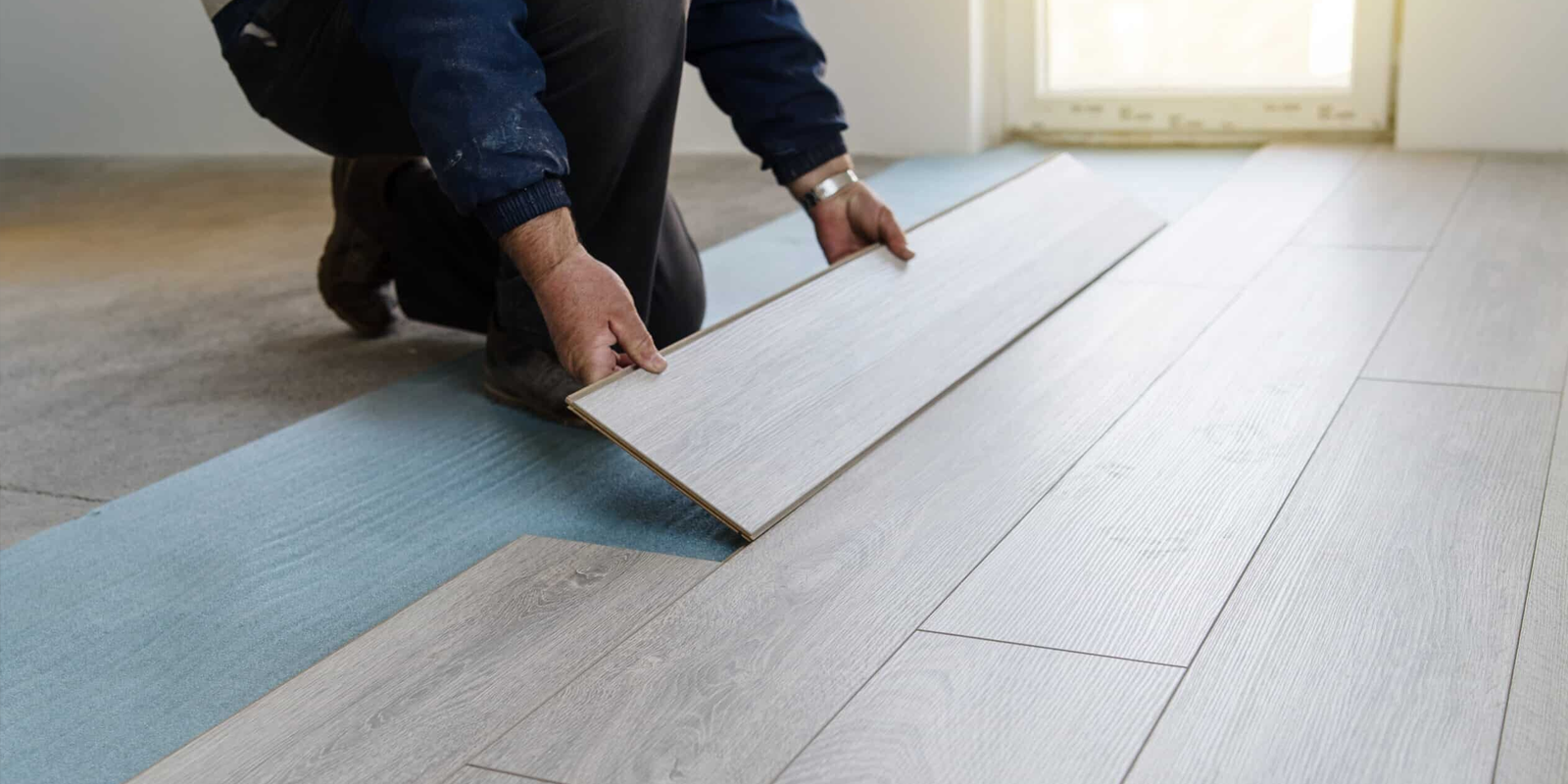
How to Prepare a Subfloor Before Applying Flooring Adhesive
The subfloor is one of the main factors determining which flooring adhesive is appropriate for an installation. Concrete, cementitious screed, timber substrates and existing flooring surfaces have different physical characteristics that affect adhesive compatibility and bonding conditions.
Choosing an adhesive based only on the floor covering can therefore overlook half of the bonding system. The adhesive needs to interact appropriately with both the flooring material above and the substrate below.
A vinyl flooring adhesive suitable for a particular vinyl product may still require specific subfloor conditions. Similarly, a timber flooring adhesive needs to correspond not only with the wood flooring but also with the surface to which it will be bonded.
Moisture, surface strength, porosity, contamination and existing materials can all change how a substrate interacts with an adhesive.
This article explains the practical stages involved in preparing a subfloor before vinyl flooring adhesive, timber flooring adhesive or another compatible floor-bonding product is applied.
Why Subfloor Preparation Matters
Subfloor preparation matters because the adhesive bonds to the surface immediately beneath it. If that surface is weak, contaminated or unstable, the adhesive may bond to the problem rather than to a sound base.
For example, applying adhesive over a layer of dust can create a bond to the dust rather than directly to the subfloor. A similar issue can occur with loose coatings or deteriorated residues.
Preparation also helps identify problems before they become concealed beneath the finished floor. Once flooring has been installed, correcting an underlying substrate issue can require significantly more work.
The preparation stage should therefore be treated as part of the flooring installation itself rather than as preliminary cleaning performed immediately before adhesive application.
Assess the Existing Subfloor First
The first step is to understand what is actually beneath the proposed flooring.
Identify whether the exposed surface is concrete, cementitious screed, a timber-based material or an existing finish that is intended to remain. Then examine its current condition.
The assessment should look for conditions such as:
- Cracks or visible damage
- Loose or weak areas
- Uneven sections
- Contamination
- Old adhesive residues
- Existing coatings
- Moisture-related concerns
This initial review determines which preparation work is necessary. Preparation should respond to actual site conditions rather than following the same sequence regardless of the subfloor.
Identify the Actual Bonding Surface
The visible structural floor and the actual bonding surface are not always the same material.
A concrete slab may have a screed above it. An existing floor may contain levelling material, previous adhesive or a retained coating.
Flooring adhesive will interact with the uppermost prepared surface. That surface therefore needs to be identified before preparation begins.
This is particularly important during refurbishment. Removing old flooring can reveal different materials from those expected at the start of the project. Where the exposed substrate changes, the proposed preparation method should be reviewed before new adhesive is applied.
Remove Loose Material
Loose material should not remain between the subfloor and the new adhesive because it creates a weak intermediate layer.
The surface should be checked for friable areas, loose particles or poorly bonded material. Simply spreading adhesive over these areas does not restore the integrity of the underlying substrate.
If the surface itself is unsound, the affected material may need to be addressed before flooring work proceeds. The objective is to reach a stable surface suitable for the proposed flooring system.
This principle applies whether the final floor uses vinyl flooring adhesive, timber flooring adhesive or another bonding material. The adhesive needs a dependable base rather than a surface that can detach from the construction beneath it.
Clean Dust and Surface Debris
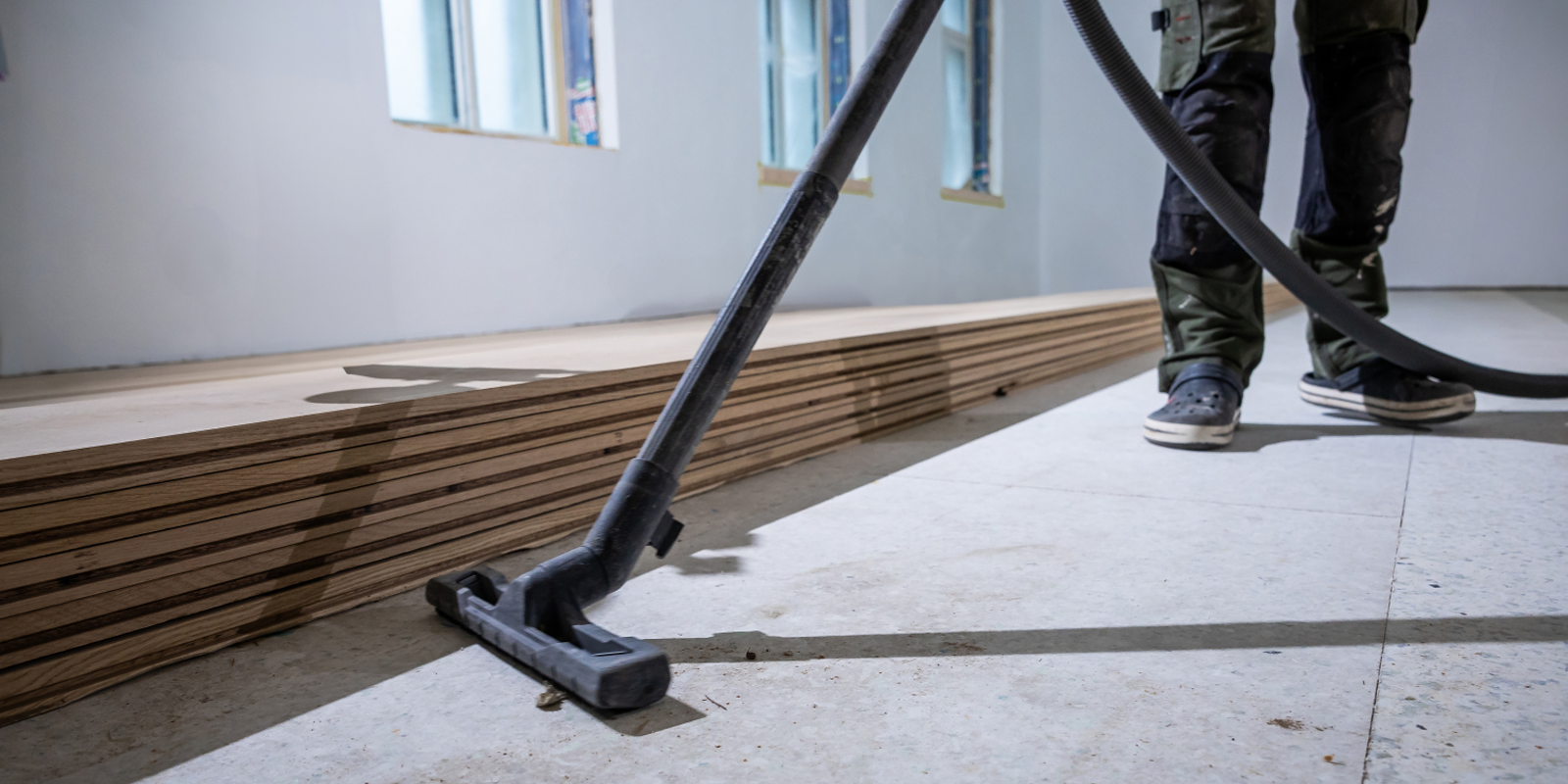
Dust and debris can reduce direct contact between the adhesive and subfloor.
The surface should therefore be appropriately cleaned after other preparation work that creates dust or loose particles. Cleaning should extend across the complete installation area.
Corners, edges and areas around building elements should not be overlooked simply because they represent a small percentage of the floor.
Debris can also create local high points beneath certain flooring materials. The required cleaning method depends on the substrate and flooring system, but the final objective is consistent: the adhesive should contact the prepared surface rather than a layer of construction residue.
Check for Oil, Grease and Other Contaminants
Contamination can interfere with adhesion even when the subfloor appears physically stable.
Oil, grease, chemicals or other residues can change the surface characteristics of the floor. These areas should be identified before adhesive is spread.
Simply wiping the visible surface may not always establish that contamination has been adequately addressed. The appropriate response depends on the material involved, how deeply it has affected the substrate and the requirements of the proposed flooring system.
Where compatibility remains uncertain, the condition should be resolved before proceeding. Applying more flooring adhesive over a contaminated surface does not necessarily improve bonding.
Review Existing Coatings
Paint, sealers and other coatings can create an interface between the flooring adhesive and original subfloor. Their presence needs to be established before installation.
An existing coating may appear firmly attached but still be incompatible with the proposed adhesive. It can also hide the condition of the substrate beneath it.
The flooring system should determine whether the existing material can remain or needs to be removed. Where removal is required, preparation should expose a suitable surface without unnecessarily damaging the underlying subfloor.
Where an existing coating is permitted to remain, its condition and compatibility still need to be confirmed. The adhesive will bond to that coating rather than directly to the original floor.
Deal With Existing Adhesive Residues
Old adhesive is common when existing floor coverings are removed during refurbishment.
These residues should not automatically be considered a suitable base for new flooring adhesive. The existing product may be chemically or physically different from the new adhesive.
Its condition can also vary across the floor. Some areas may remain firmly bonded while others are weak, contaminated or partially detached.
The flooring system should establish whether the residue needs to be removed or can be addressed through an approved preparation method. The objective is to create a known and suitable bonding surface.
Applying new adhesive directly over unidentified residues can introduce an unnecessary compatibility risk into the installation.
Check Surface Stability
A stable subfloor should provide a sound base for the flooring system without loose or inadequately supported areas.
Surface stability should be assessed before levelling or adhesive application. Concrete and screed should be checked for unsound surface layers.
Timber-based substrates should be reviewed for movement, damaged areas or other conditions that could affect the floor above.
Flooring adhesive should not be expected to stabilise a structurally unsuitable subfloor. The adhesive creates a bond between compatible surfaces; it is not a substitute for correcting instability in the supporting floor.
Any significant movement or deterioration should therefore be addressed through an appropriate method before installation continues.
Assess Cracks and Damage
Cracks should be assessed according to their characteristics rather than simply filled automatically.
A relatively stable crack creates a different condition from an area experiencing continuing movement. The cause and nature of significant cracks should therefore be considered before deciding how the surface should be prepared.
The same principle applies to holes, damaged screed and local surface defects. Repairs should create a surface compatible with the proposed flooring build-up.
The repair material itself becomes part of the substrate once the flooring adhesive is applied. Compatibility therefore needs to extend across the original floor and repaired sections.
Check Floor Flatness
Floor flatness affects how the finished flooring sits on the subfloor. High spots, depressions and abrupt changes can create problems depending on the flooring material being installed.
The required tolerance depends on the flooring system. The floor should therefore be checked against the requirements of the specified finish rather than a generic visual standard.
Longer straightedges or other suitable assessment methods can help identify local variations where appropriate.
The important point is that adhesive should not automatically be used to compensate for an uneven floor. Unless a product is specifically designed for levelling, flooring adhesive should perform its bonding function rather than being applied excessively to correct floor geometry.
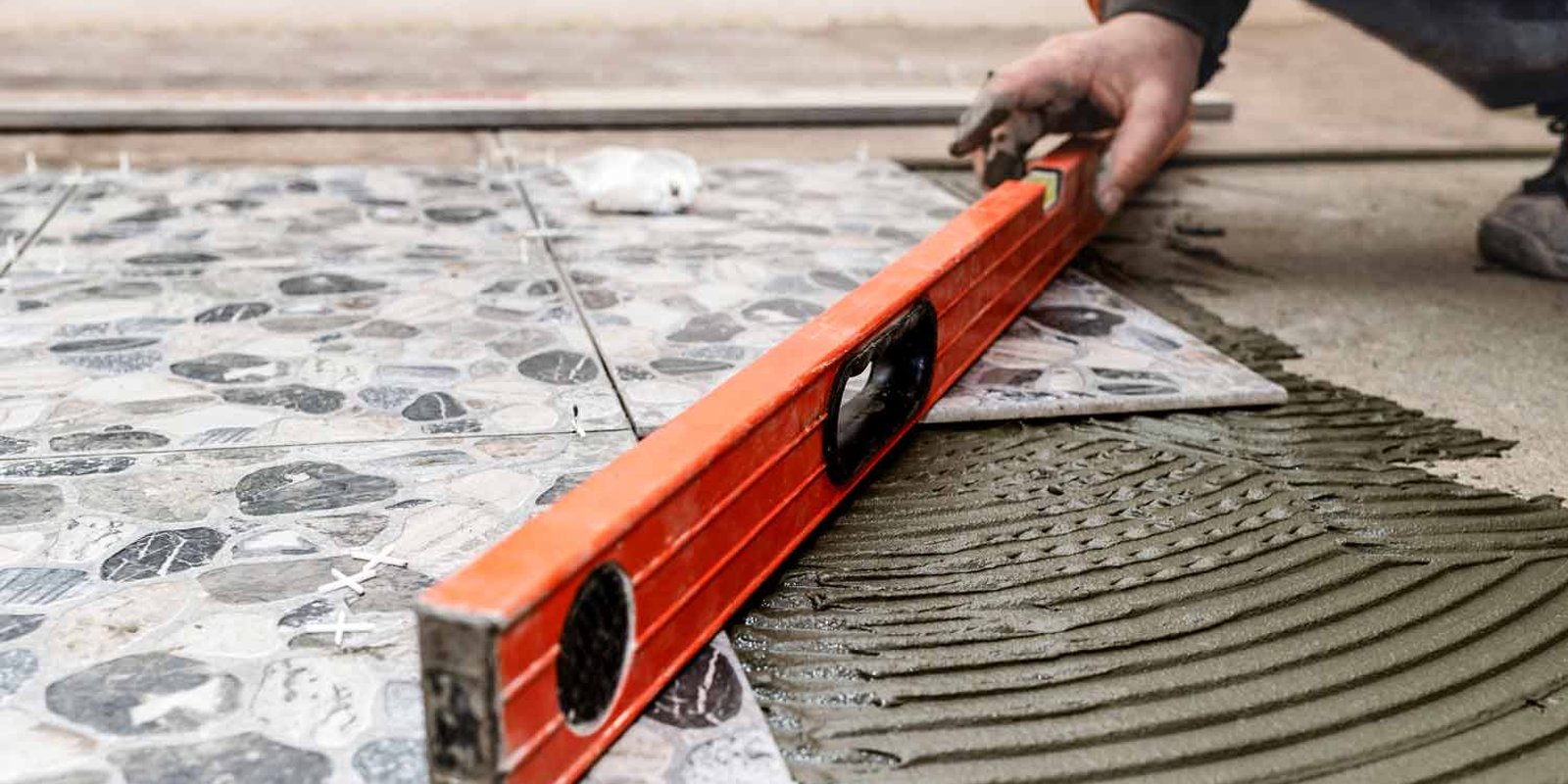
Correct Uneven Areas Before Bonding
Where the subfloor does not meet the flatness requirements of the flooring system, the irregularity should be addressed using a compatible method before adhesive application.
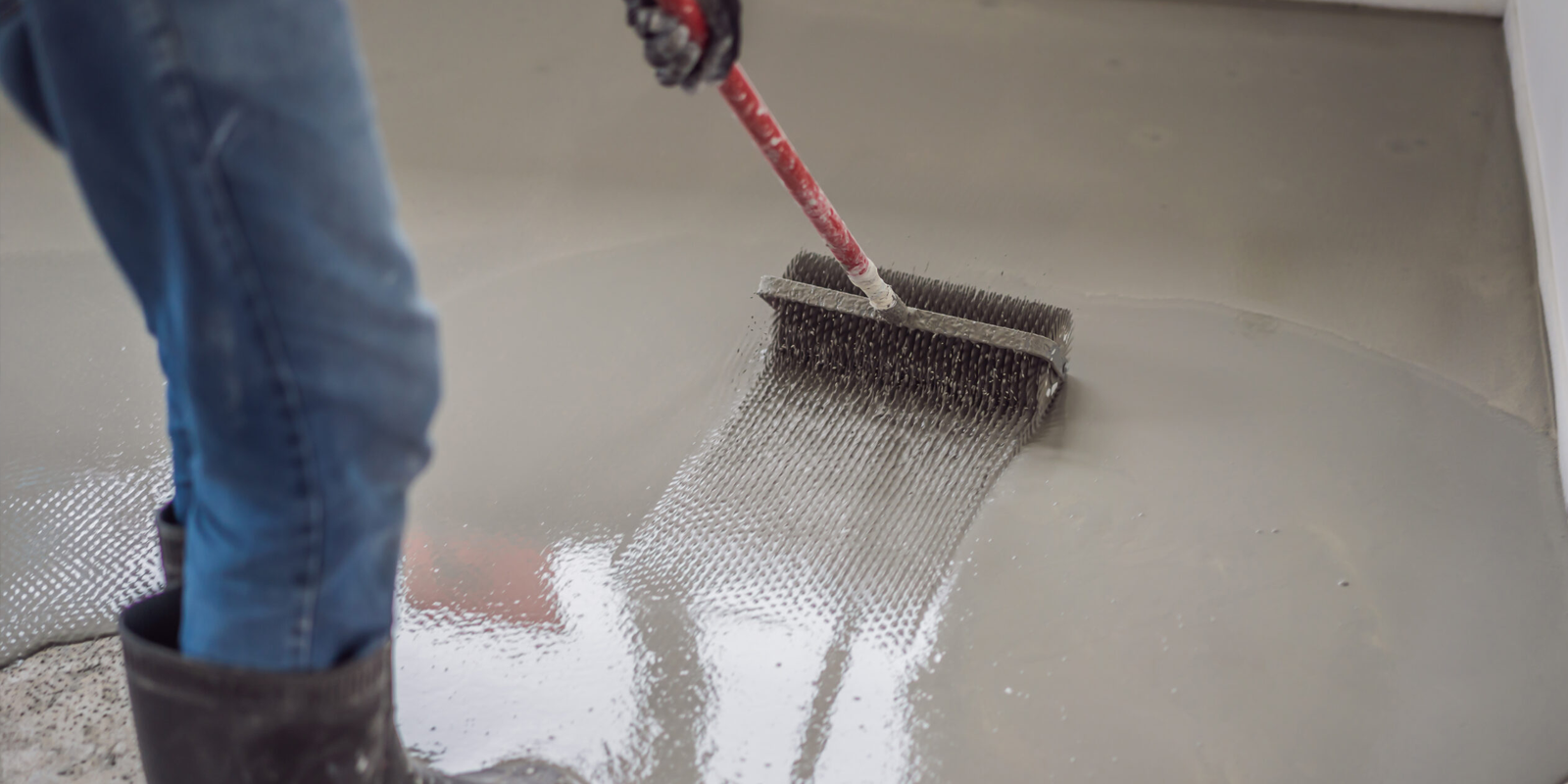
This may involve correcting local high areas or using suitable levelling or repair materials where specified.
Any additional material introduced during this stage becomes part of the final substrate. It should therefore be compatible with the subsequent flooring adhesive.
The corrected surface also needs to reach the condition required before flooring installation begins.
Levelling and bonding should not be treated as one interchangeable step. Creating the required floor profile first allows the adhesive to be applied according to its intended purpose.
Understand Why Moisture Needs Checking
Moisture can affect the interaction between the subfloor, adhesive and floor covering.
This is particularly relevant for concrete and cementitious screeds, which can contain moisture even when their surfaces appear dry.
Visual inspection alone does not necessarily establish suitability. Where the flooring system requires moisture assessment, the appropriate testing method should be used before adhesive installation.
Results should then be compared with the requirements of the proposed flooring and adhesive.
A standard flooring adhesive should not automatically be expected to manage excessive substrate moisture. Where moisture conditions fall outside the permitted range, they should be addressed according to the complete flooring system before installation proceeds.
Consider Moisture in New Concrete
New concrete requires particular attention because it contains water as part of its construction and curing process.
The fact that the surface is hard and walkable does not necessarily mean it is ready for bonded flooring. The required condition depends on the floor covering and adhesive system.
Project scheduling should therefore allow for the substrate requirements of the flooring rather than selecting an installation date based only on when other construction work has finished.
If moisture assessment is specified, it should be completed before the adhesive is applied. Proceeding too early can create conditions that affect the floor after it has been covered.
Consider Moisture in Existing Floors
Existing buildings can also have moisture-related subfloor conditions. These may result from the building environment, previous water exposure or other construction conditions.
An older concrete slab should not automatically be considered dry simply because it has existed for many years.
Signs such as discolouration or previous flooring damage can justify further investigation, but the absence of visible signs does not replace any testing required by the flooring system.
Refurbishment projects should therefore assess the current condition of the floor rather than relying on its age.
This is particularly important before installing materials sensitive to moisture or using adhesives with defined substrate requirements.
Prepare Concrete Subfloors
Concrete preparation should create a clean, sound and appropriately conditioned surface for the selected flooring system.
The exact work depends on the existing concrete. A relatively sound new floor may require a different preparation approach from an older slab containing coatings and adhesive residue.
The process should address contaminants, weak surface material, irregularities and moisture conditions relevant to the installation.
Cracks or damaged areas should also be assessed before they disappear beneath the finished floor.
Once preparation is complete, the concrete should meet the requirements of the specified flooring adhesive and floor covering.
The objective is not simply exposed concrete, but concrete in a condition suitable for bonding.
Prepare Cementitious Screeds
Cementitious screeds should be checked for soundness, moisture, flatness and surface condition before flooring adhesive is applied.
Loose or weak surface material can interfere with the bond. Any repairs or levelling compounds should also be compatible with the flooring system.
Because screed forms the immediate bonding surface, its condition is more important to the adhesive than the appearance of the structural slab below it.
A screed that looks smooth is not automatically ready for installation. The relevant requirements of the vinyl flooring adhesive, timber flooring adhesive or other specified product should be used to determine whether further preparation is necessary.
Prepare Timber-Based Subfloors
Timber-based subfloors require attention to stability, joints, surface condition and environmental factors.
Loose or moving sections can affect the flooring installed above them. The substrate should provide a stable base appropriate for the proposed floor covering.
Surface contamination or existing finishes should also be identified.
Where panels form the subfloor, joints and transitions may require consideration according to the flooring system.
Adhesive should not be used as a substitute for securing or correcting an unstable timber substrate. The preparation process should first establish a suitable supporting surface and then address the conditions required for bonding.
Preparing for Vinyl Flooring
Vinyl flooring preparation places particular emphasis on creating a consistent substrate because some vinyl products can follow or reveal irregularities in the floor below.
The specific requirements depend on whether the flooring consists of sheets, tiles, planks or another construction.
Before vinyl flooring adhesive is applied, the substrate should meet the required conditions for flatness, cleanliness, stability and moisture.
Old residues and abrupt surface changes deserve particular attention. Preparation should also account for the exact vinyl backing and adhesive system.
A surface considered acceptable for one vinyl product should not automatically be assumed suitable for another. The flooring manufacturer's and adhesive manufacturer's requirements should guide the final readiness assessment.
Preparing for Timber Flooring
Timber flooring preparation requires a suitable bonding surface while also recognising that wood responds to environmental moisture.
The subfloor should be stable, appropriately flat and within the conditions required for the selected system.
Moisture considerations apply to the substrate, while the timber flooring itself should also meet its installation requirements. These conditions should be considered separately.
A prepared concrete floor does not automatically establish that the timber is ready for installation, and correctly conditioned timber does not compensate for an unsuitable subfloor.
Before timber flooring adhesive is applied, both materials should be ready to form the intended flooring system.
Check Transitions Between Different Substrates
A single room or flooring area can contain more than one substrate after preparation.
For example, an existing concrete floor may include repaired areas, levelling material or sections where previous construction has created different surfaces.
These transitions should be identified before adhesive application. The flooring system needs a suitable surface across the complete installation area.
Where different materials meet, compatibility should be confirmed for each relevant substrate.
Ignoring these transitions can create localised differences beneath an otherwise continuous floor covering.
A final readiness check should therefore examine the entire installation area rather than assessing only the largest or most obvious substrate.
Use Primers Only Where Required
Some flooring systems specify a primer between the prepared substrate and subsequent material.
A primer can perform a defined function within that system, but it should not be added automatically to every flooring installation.
The primer needs to be compatible with the substrate and the products applied above it. Using an unrelated material can create an additional interface rather than improving the bond.
Where a primer is required, the application and curing conditions should follow the relevant product information.
The same principle applies to other intermediate materials. Every layer added between the subfloor and finished flooring should have a defined purpose within the complete system.
Perform a Final Subfloor Readiness Check
The subfloor should be reviewed again after preparation and before flooring adhesive is spread.
A final check can confirm that:
- The correct substrate has been identified
- The surface is sound
- Loose material and debris have been removed
- Contamination has been addressed
- Required flatness has been achieved
- Moisture conditions meet the applicable requirements
- Repairs and levelling materials are ready for covering
- Existing residues or coatings have been dealt with appropriately
- The proposed adhesive is compatible with the prepared surface
This final review helps identify conditions that may have changed during preparation. Once adhesive application begins, correcting a missed substrate issue becomes more difficult.
Common Subfloor Preparation Mistakes
Subfloor preparation problems often result from treating the process as cleaning alone.
Common mistakes include:
- Applying adhesive over dust
- Leaving loose surface material in place
- Ignoring old adhesive residues
- Failing to identify existing coatings
- Assuming visually dry concrete has acceptable moisture conditions
- Using flooring adhesive to compensate for major unevenness
- Covering cracks without assessing their condition
- Overlooking unstable timber-based substrates
- Installing over levelling materials before they are ready
- Failing to recheck the surface immediately before bonding
Avoiding these mistakes helps keep the flooring adhesive focused on its intended function: bonding compatible flooring to an appropriately prepared substrate.
Frequently Asked Questions (FAQs)
Does a subfloor need to be completely clean before applying flooring adhesive?
The subfloor should meet the cleanliness requirements of the flooring and adhesive system. Dust, loose debris and contaminants that can interfere with bonding should be removed.
Can flooring adhesive be applied over old adhesive?
Only where the proposed flooring system permits it and the existing residue has been appropriately assessed. Unidentified or poorly bonded residues should not automatically be covered.
Does concrete need to be level before installing vinyl flooring?
The concrete should meet the flatness requirements of the selected vinyl flooring system. Significant irregularities should be corrected using an appropriate method rather than relying on vinyl flooring adhesive as a levelling material.
How do I know whether a concrete subfloor is too wet?
Where moisture assessment is required, an appropriate testing method should be used and the result compared with the flooring and adhesive requirements. Surface appearance alone may not be sufficient.
Is timber subfloor preparation different from concrete?
Yes. Timber-based substrates introduce considerations relating to movement, joints and material stability, while concrete and screed have different surface and moisture characteristics.
Should the floor be primed before applying adhesive?
Only where a compatible primer is required by the flooring or adhesive system. Priming should not be treated as a universal step for every subfloor.
A Reliable Floor Bond Starts Before the Adhesive Is Applied
Subfloor preparation determines the surface on which the entire bonded flooring system depends. Cleaning is only one part of that process.
The floor should also be assessed for stability, flatness, moisture, existing materials and local defects before adhesive application begins. Concrete, screed and timber-based substrates each require preparation appropriate to their characteristics and the flooring being installed.
By resolving these conditions first, flooring adhesive can perform its intended bonding role rather than being expected to compensate for problems within the underlying floor.
Get the Subfloor Ready for the Bonding Stage
Successful flooring installation depends on preparing the substrate before selecting the point at which adhesive application begins. Eastern Win Enterprises provides bonding aids for different flooring and building applications in Singapore. Project teams preparing surfaces for vinyl flooring adhesive, timber flooring adhesive or other floor-bonding materials can contact Eastern Win Enterprises to review options relevant to their flooring application.