


 Contact Us: (65) 6419 2850



Roof Waterproofing: Systems and Selection Considerations for Buildings
Roof waterproofing creates a continuous protective system that limits water from penetrating through a roof into the building below. The appropriate system depends on the roof substrate, exposure conditions, drainage, movement, detailing and whether the waterproofed surface will remain exposed or receive additional finishes.
In Singapore, roofs can experience frequent rainfall, strong sunlight and humid conditions. These conditions make roof waterproofing an important part of protecting concrete and other compatible roof construction from persistent water exposure.
However, selecting a waterproofing system involves more than choosing a waterproof coating or membrane. Roof geometry, drainage outlets, penetrations, joints, upstands and the condition of the existing substrate all influence how the system needs to perform.
This detailed article focuses specifically on roof applications. It explains the main roof waterproofing systems, the conditions that influence selection and the areas that require particular attention when planning a waterproofed roof.
Why Roofs Require Waterproofing
Roofs require waterproofing because they form one of the building's primary barriers against rain and external moisture. Water reaching an inadequately protected roof can enter cracks, joints, penetrations or other vulnerable areas.
Roof waterproofing provides a protective layer between external water exposure and the underlying construction.
This is particularly important on relatively flat or low-slope roofs where rainwater depends on designed falls and drainage outlets to leave the surface.
Waterproofing does not replace effective drainage.
Instead, the two systems work together. Drainage removes water from the roof, while the waterproofing layer protects the construction during periods when water is present on the surface.
A durable roof therefore depends on both effective water management and an appropriate waterproofing system.
Common Roof Waterproofing Conditions
Roof waterproofing systems operate under conditions that differ from many internal waterproofing applications. Roofs are exposed directly or indirectly to weather and can experience changing environmental conditions throughout the day.
Relevant conditions can include:
- Rainfall
- Sunlight and ultraviolet exposure
- Temperature changes
- Surface movement
- Standing or slowly draining water
- Penetrations through the roof
- Joints between construction elements
- Maintenance traffic
The importance of each factor depends on the roof design.
An exposed roof deck has different requirements from a waterproofing layer protected beneath another roof finish.
The system should therefore be selected for the actual roof build-up rather than based only on the general term "roof waterproofing."
Understanding the Complete Roof Waterproofing System
A roof waterproofing system includes more than the membrane or coating visible during application. Performance depends on how several components and construction details work together.
A typical system may involve the roof substrate, surface preparation, primers where specified, the main waterproof layer, treatment around joints and penetrations, and protective or finishing layers where required.
Each component has a particular function.
The main membrane provides water resistance across broad roof areas, while detailing maintains continuity at locations where the roof changes direction or is interrupted.
This system-based approach is important because water can exploit relatively small discontinuities.
A large roof area can be properly waterproofed while one inadequately treated penetration still creates a path for moisture.
Types of Roof Waterproofing Systems
Roof waterproofing systems can use different materials and application methods. The appropriate category depends on the substrate, roof geometry and performance requirements.
Common approaches include:
- Sheet waterproofing membranes
- Liquid-applied waterproofing
- Compatible waterproof coatings
- Cementitious systems for appropriate applications
These categories are not interchangeable.
Some systems can be better suited to complex detailing, while others provide factory-manufactured sheet thickness across broad surfaces.
The selection process should therefore compare how each system interacts with the particular roof rather than attempting to identify one universally superior waterproofing material.
Waterproofing Membranes
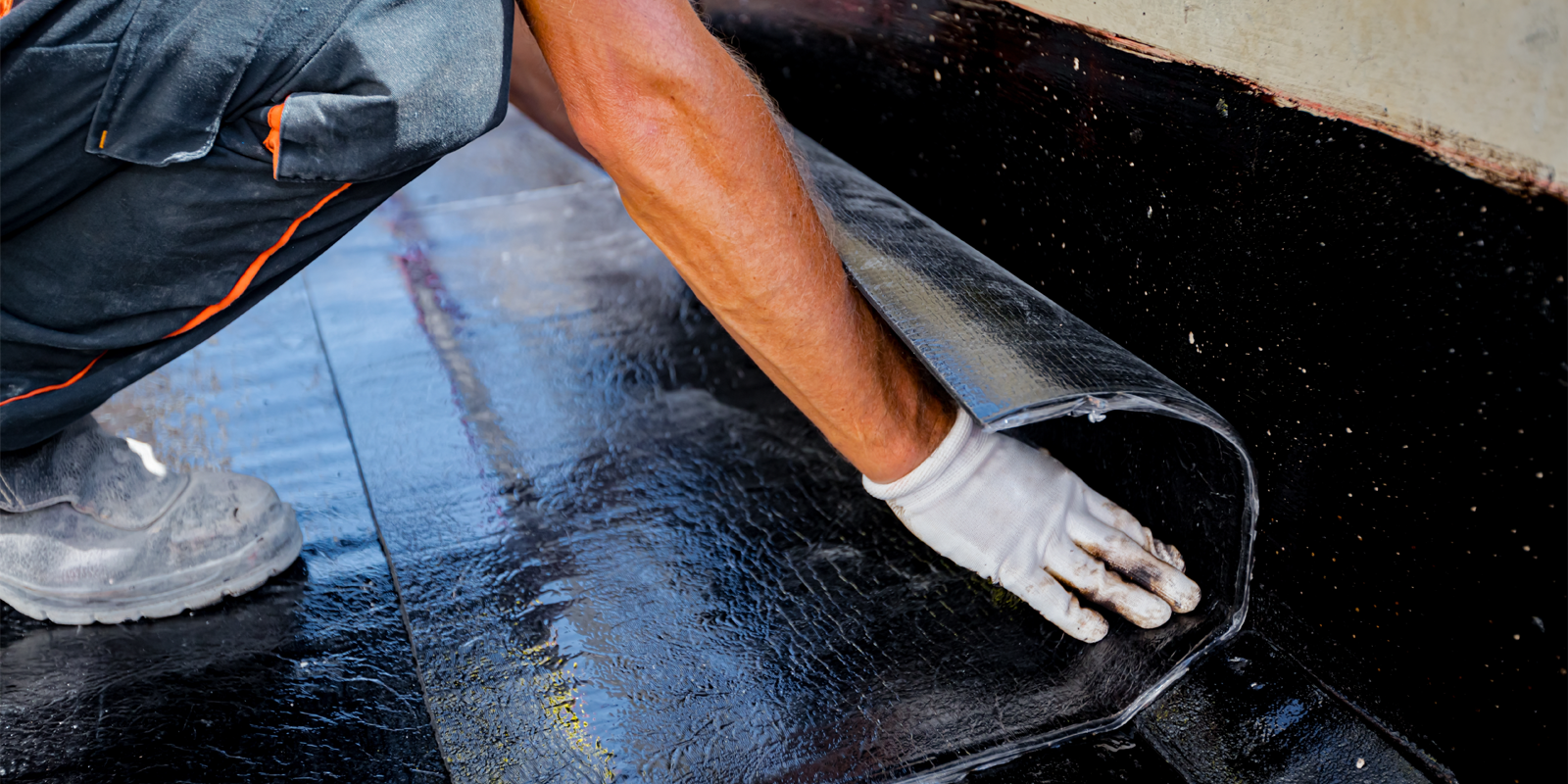
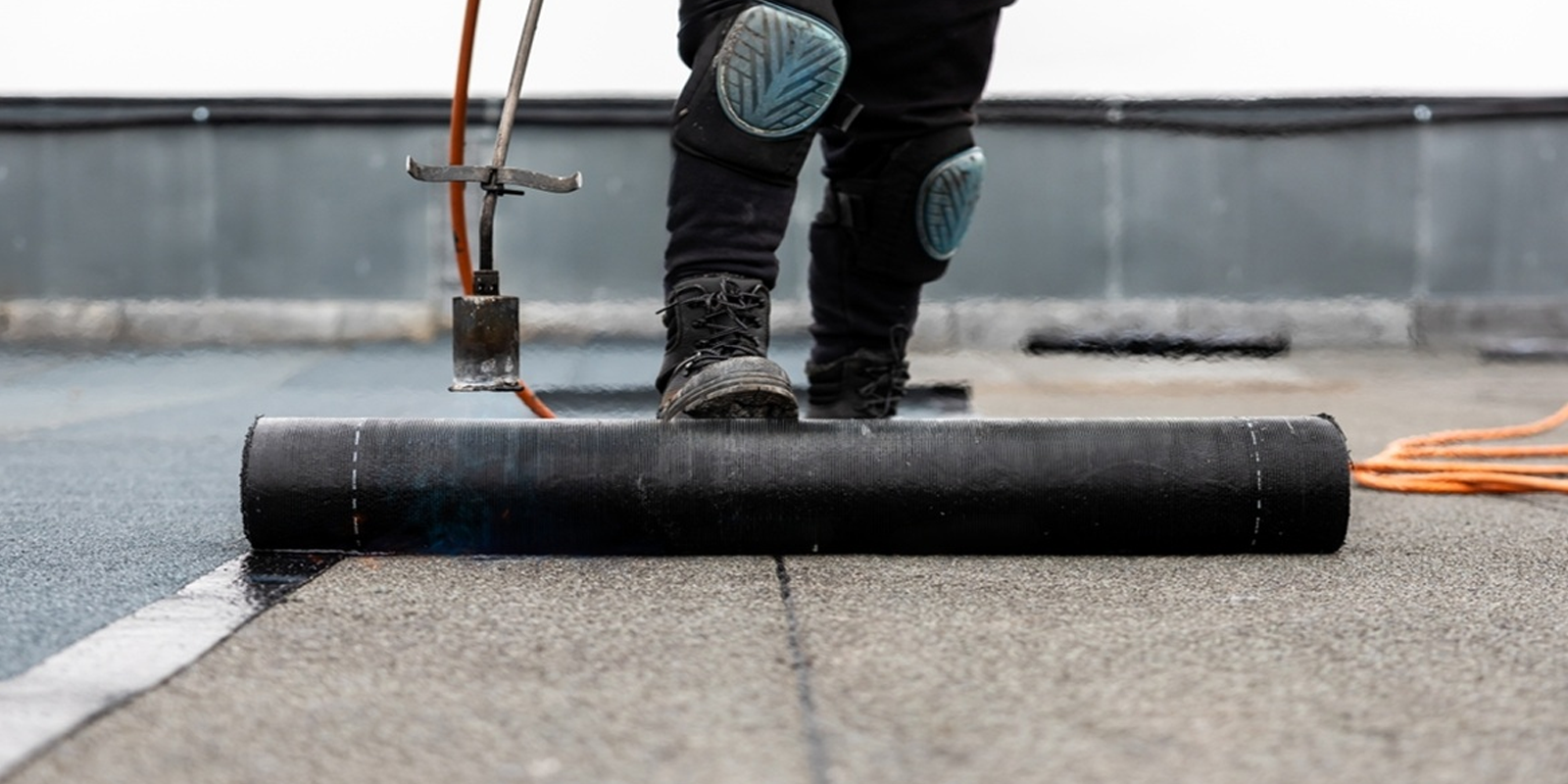
Waterproofing membranes create a continuous barrier across the roof surface. Sheet systems are manufactured as defined membrane materials and installed over a prepared substrate according to the applicable method.
Individual sheets need to form a continuous waterproof layer.
This means joints or laps between membrane sections are important parts of the system. Edges, terminations and changes in direction also need appropriate detailing.
Sheet membranes can provide a controlled membrane construction across large roof areas, but roof geometry influences installation complexity.
A simple open roof surface presents different conditions from a roof containing many penetrations, corners and equipment bases.
The membrane system should therefore be evaluated against both the broad roof area and the number of details it needs to accommodate.
Liquid-Applied Roof Waterproofing
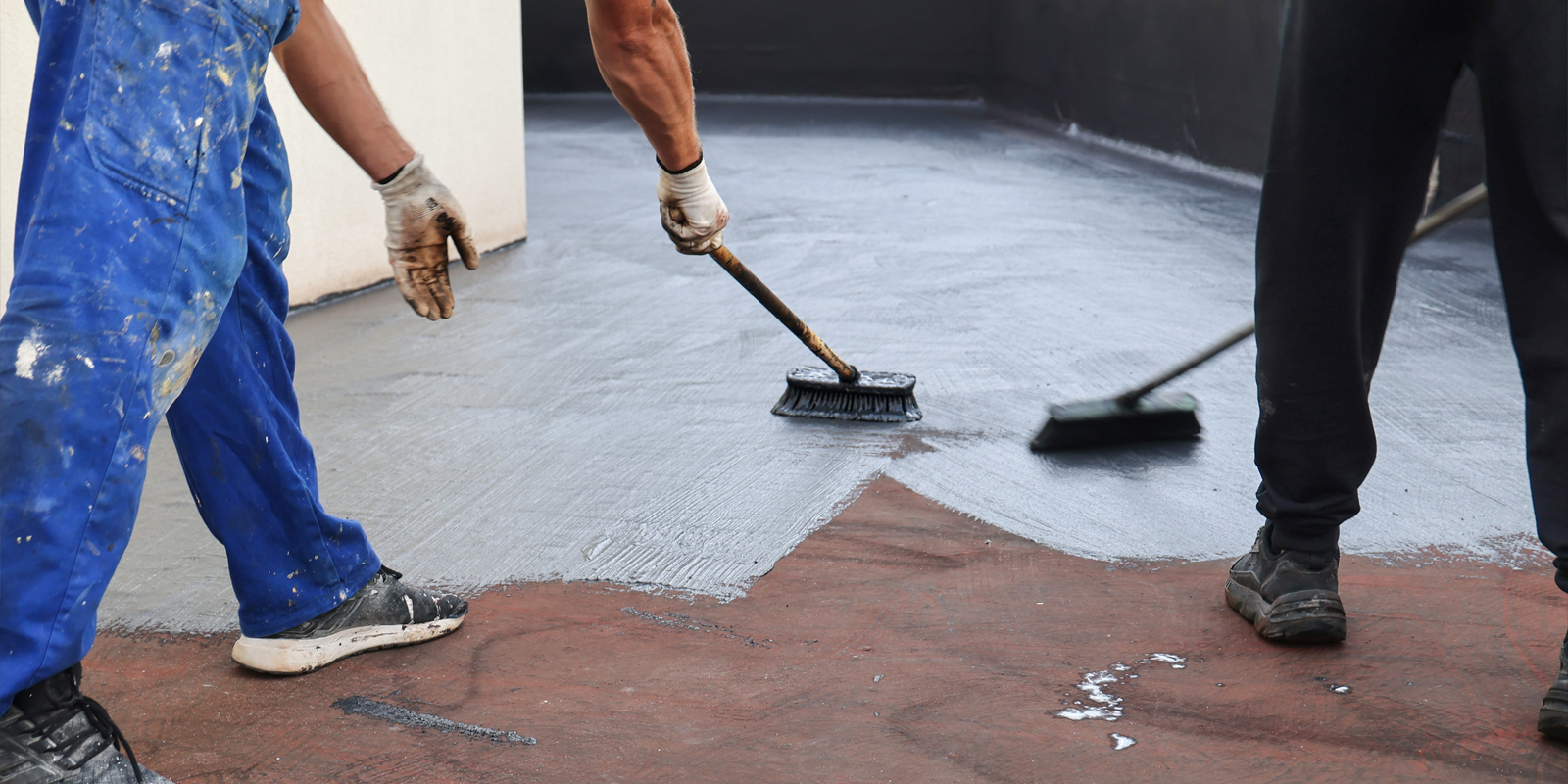
Liquid-applied waterproofing is installed as a fluid material that forms a continuous membrane after application and curing. Its ability to follow the shape of a substrate can be useful on roofs containing multiple details or irregular areas.
The finished membrane is created on site.
Application conditions therefore play an important role in achieving the intended system.
Surface preparation, coverage, application thickness and curing requirements need to follow the applicable product information.
Liquid systems can simplify continuity around some complex shapes because there are no sheet laps across the main applied area.
However, this does not remove the need for careful detailing.
Joints, cracks, penetrations and transitions still need to be treated according to the selected waterproofing system.
Cementitious Waterproofing on Roof Applications
Cementitious waterproofing uses cement-based materials formulated to provide water-resistant protection on compatible mineral substrates. These systems can be relevant to particular roof or building applications depending on their specified use.
Their suitability should be evaluated according to roof exposure and movement requirements.
A roof can experience environmental changes and substrate movement that differ from relatively stable internal wet areas.
For this reason, a cementitious waterproofing material suitable for one part of a building should not automatically be assumed suitable for every exposed roof.
The substrate, environmental exposure and intended protective layers should be considered together.
Product technical information should establish whether the particular cementitious system is appropriate for the proposed roof application.
Exposed and Protected Waterproofing
An exposed waterproofing system remains directly subjected to environmental conditions after installation. A protected system is covered by another compatible layer or roof build-up.
This distinction significantly affects system selection.
Exposed membranes or coatings may need to withstand direct sunlight, rain and other weather-related conditions appropriate to the application.
Protected waterproofing is shielded from some forms of direct exposure, but the overlying construction introduces other considerations.
The waterproofing still needs continuity around roof details and drainage points.
The intended final roof build-up should therefore be known before selecting the membrane.
A waterproofing product should not be chosen first and then assumed suitable for whichever finishing system is added later.
Roof Substrate Considerations
The roof substrate is the surface onto which the waterproofing system is applied or installed. Its condition directly affects the performance of the waterproofing layer.
Concrete is common in many building applications, but even concrete substrates can vary considerably.
Relevant conditions include:
- Surface soundness
- Cracks or defects
- Existing coatings
- Contamination
- Moisture condition
- Surface profile
- Falls towards drainage
A waterproof membrane cannot be expected to correct every underlying substrate problem.
Where repairs or preparation are required, these should be addressed before the waterproofing system is installed.
The objective is to provide a suitable base for continuous waterproofing.
Existing Roofs and Refurbishment
Waterproofing an existing roof requires assessment of the current roof condition before a new system is selected.
Existing roofs can contain previous coatings, membranes, repairs or other materials that affect compatibility with new waterproofing.
Visible water ingress also does not always identify the exact point where water entered the roof.
Moisture can travel through parts of the construction before becoming visible inside the building.
A refurbishment assessment should therefore consider the existing roof build-up, substrate condition, drainage and previous waterproofing system.
Applying a new coating directly over an unidentified or deteriorated existing surface can leave underlying problems unresolved.
Preparation requirements should be determined from the actual roof condition.
New Roof Waterproofing
New roof construction allows waterproofing to be coordinated with drainage, penetrations and other roof details before installation begins.
This can reduce conflicts between the membrane and later construction work.
The waterproofing sequence should account for when equipment, pipes, supports and other elements will be installed.
Penetrating a completed membrane after installation can create additional detailing requirements.
Planning these elements early allows the waterproofing system to be integrated into the roof build-up rather than treated as a final corrective layer.
New concrete or screeded surfaces also need to reach the condition required by the selected waterproofing system before application proceeds.
Roof Drainage Considerations
Roof drainage is fundamental to effective water management. Waterproofing protects the roof surface, but it should not be expected to compensate for inadequate drainage design.
The roof should direct water towards suitable outlets through appropriate falls.
Drainage points need to remain functional and appropriately integrated with the waterproofing layer.
Blocked or poorly positioned outlets can allow water to remain on the roof for longer periods.
Local depressions in the substrate can also create areas where water collects.
Before waterproofing, roof falls and drainage conditions should therefore be reviewed.
If the surface does not direct water appropriately, applying a new membrane alone may not address the underlying water-management problem.
Waterproofing Around Roof Drains
Roof drains interrupt the main waterproofed surface and therefore require careful integration with the membrane.
The waterproofing needs to maintain continuity as water approaches and enters the drainage point.
The precise detailing depends on the drainage component and waterproofing system.
The surrounding substrate should also encourage water to reach the outlet rather than creating a raised area that traps water nearby.
During maintenance, drains should remain clear so debris does not obstruct flow.
A well-waterproofed roof with poorly maintained drainage can still experience prolonged water accumulation.
Drain detailing and ongoing drainage maintenance therefore support the performance of the overall roof system.
Roof Penetrations
Roof penetrations include pipes, services and other components that pass through the waterproofed area. Each penetration interrupts the broad horizontal membrane and creates a location requiring dedicated detailing.
The waterproofing system needs to remain continuous around the penetration.
Simply applying the main roof coating up to the edge of a pipe or component may not represent the complete required detail.
Movement between different materials can also influence these locations.
The applicable waterproofing method should account for the penetration geometry and surrounding substrate.
Where possible, roof penetrations should be identified before waterproofing work begins so the detailing can be planned rather than improvised during installation.
Upstands and Changes in Plane
Upstands occur where waterproofing transitions from a horizontal roof surface to a vertical or raised construction element. These changes in planes require continuity between surfaces.
Examples can occur around parapets, equipment bases and other raised elements.
The waterproofing should not be considered complete simply because the horizontal field area is covered.
Transitions need to be incorporated into the system according to the applicable detailing requirements.
Corners can create additional challenges because the membrane needs to follow changes in geometry while maintaining continuity.
Careful preparation and application at these locations help connect the broad roof membrane into a complete waterproofed area.
Joints and Movement
Building joints and substrate movement can influence roof waterproofing because a membrane may need to accommodate changes occurring beneath or between construction elements.
Not every crack or joint should be treated identically.
Some are relatively static substrate defects, while others are designed to accommodate movement.
The waterproofing approach should recognise this distinction.
Covering a moving joint as though it were simply a surface crack can place demands on the membrane that were not considered in the system design.
Joints should therefore be identified and treated according to their function and the requirements of the selected waterproofing system.
Weather Exposure During Application
Roof waterproofing is often installed in areas exposed to changing weather, so application conditions need to be considered before work begins.
Rain during certain stages of preparation, application or curing can affect some waterproofing systems.
Temperature and substrate condition can also influence application.
The relevant limits depend on the product.
Project teams should therefore review the weather and site conditions together with the manufacturer's application requirements rather than applying material simply because the roof surface appears dry at one moment.
Work sequencing can be particularly important on large roofs where application cannot be completed across the entire area at once.
Surface Preparation Before Roof Waterproofing
Surface preparation creates a suitable base for the waterproofing system. Requirements vary according to the substrate and product, but the surface generally needs to meet the conditions specified for application.
Preparation can involve addressing:
- Loose or unsound material
- Dust and contamination
- Incompatible existing coatings
- Local surface defects
- Cracks requiring treatment
- Irregularities affecting membrane application
Preparation should also include relevant roof details rather than focusing only on open field areas.
Drains, penetrations, corners and upstands should be ready before the main waterproofing progresses.
This reduces the need to interrupt or modify completed areas later.
Application Continuity
A waterproofing membrane needs continuity across the roof and through its critical details. Discontinuities can create potential paths for water.
For sheet systems, continuity includes properly formed joints, laps and terminations.
For liquid-applied systems, consistent application and appropriate coverage contribute to forming the continuous membrane.
The specific requirements vary by system, but the principle remains the same: broad surface coverage is only useful when the waterproofing remains connected across the complete protected area.
Application quality should therefore be assessed as a system rather than by checking only isolated sections of the roof.
Choosing an Appropriate Roof Waterproofing System
Roof waterproofing selection should begin with the building conditions rather than a preferred product category.
A practical assessment can follow five stages.
- Identify the Roof Construction: Determine the substrate and complete proposed roof build-up.
- Establish Exposure Conditions: Confirm whether the waterproofing will remain exposed or receive additional protective layers.
- Review Roof Geometry: Identify drains, penetrations, upstands, corners and joints that need detailing.
- Assess Movement and Substrate Condition: Determine whether cracks, joints or existing materials require specific treatment.
- Compare Compatible Waterproofing Systems: Evaluate membrane or coating options according to substrate compatibility, application requirements and intended roof conditions.
This approach keeps selection focused on the actual building rather than choosing waterproofing solely according to application convenience.
Common Roof Waterproofing Mistakes
Roof waterproofing problems can result from overlooking details outside the main roof surface.
Common issues include:
- Applying waterproofing over an inadequately prepared substrate
- Ignoring drainage problems
- Treating every crack or joint in the same way
- Overlooking roof penetrations
- Failing to integrate waterproofing with drains
- Selecting a system without considering exposure
- Applying new waterproofing over incompatible existing materials
- Proceeding under unsuitable application conditions
These issues show why roof waterproofing should be planned as a complete system.
The membrane is important, but detailing, drainage and substrate preparation determine how that membrane interacts with the building.
Frequently Asked Questions (FAQs)
What is roof waterproofing?
Roof waterproofing is a protective system designed to limit water from penetrating through a roof into the underlying building construction. It can use sheet membranes, liquid-applied materials or other suitable waterproofing systems.
Which waterproofing system is suitable for a concrete roof?
The appropriate system depends on the concrete condition, roof exposure, drainage, movement and final roof build-up. Compatibility should be confirmed for the specific application.
Is liquid waterproofing suitable for roofs?
Liquid-applied waterproofing can be suitable for specified roof applications. Its suitability depends on the product, substrate, exposure and application requirements.
Is a waterproof membrane enough if water collects on the roof?
Waterproofing and drainage perform different functions. Roof falls and outlets should manage water effectively rather than relying solely on the membrane to tolerate poor drainage conditions.
Can waterproofing be applied over an existing roof coating?
It depends on the condition and compatibility of the existing material and the requirements of the new waterproofing system. The existing surface should be assessed before application.
Why are roof penetrations important in waterproofing?
Penetrations interrupt the main waterproofed surface. They therefore require suitable detailing so the membrane remains continuous around pipes, services or other roof components.
Building Roof Protection Around Water Management
Effective roof waterproofing depends on more than the material applied across the largest visible roof area. The substrate, drainage, penetrations, joints, upstands and environmental exposure all influence how the system performs.
Sheet membranes and liquid-applied waterproofing can address different roof conditions, but their suitability should be evaluated against the complete roof construction. Drainage should also work alongside the waterproofing so rainfall can leave the roof efficiently.
For buildings in Singapore, selecting a waterproofing system around actual roof conditions provides a more reliable basis for moisture protection than choosing a membrane or coating in isolation.
Review the Waterproofing Requirements of Your Roof
Roof waterproofing should be matched to the substrate, exposure, drainage arrangement and construction details of the building. Eastern Win Enterprises provides waterproofing materials for different building applications in Singapore. Project teams evaluating roof waterproofing systems can contact Eastern Win Enterprises to review suitable material options for their application.